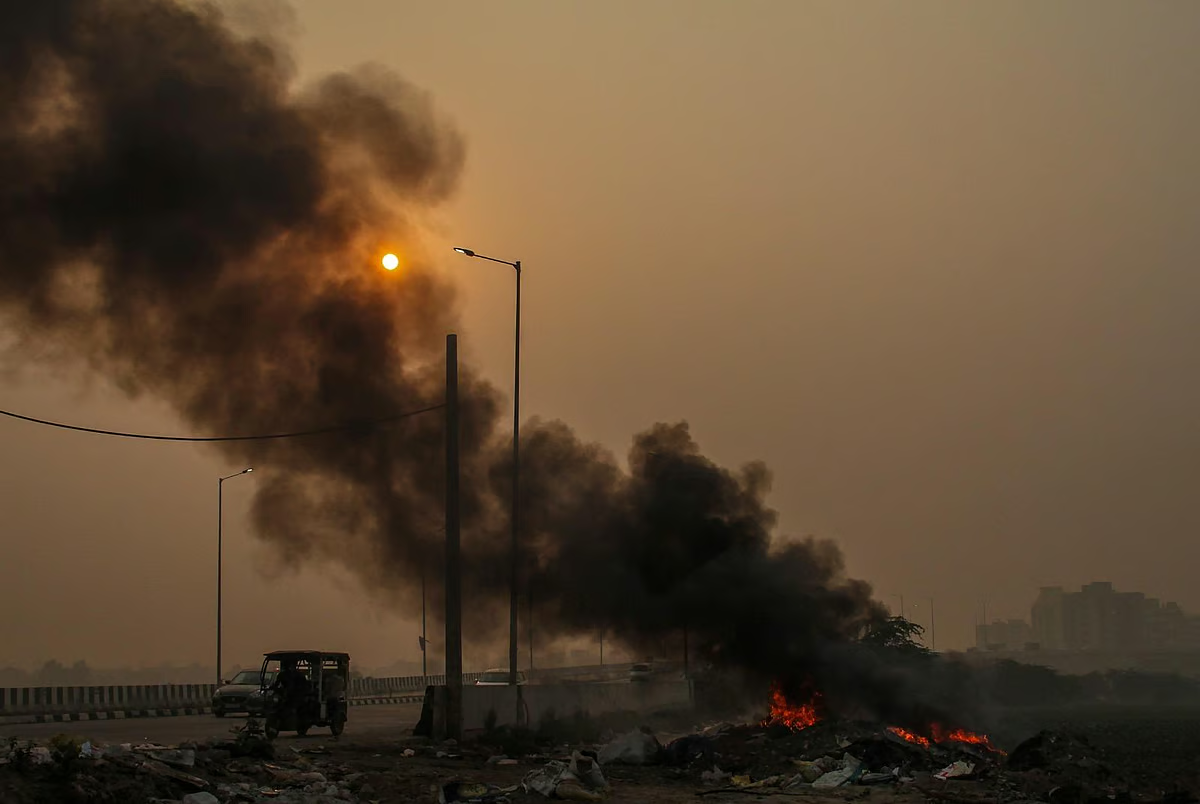
The National Capital Region (NCR) has long grappled with severe air pollution during the winter months, largely due to the burning of paddy stubble in neighboring states like Punjab, Haryana, and Uttar Pradesh. This practice, which lasts for three to four weeks, significantly contributes to the region’s air quality dropping to hazardous levels. However, there is a glimmer of hope as Punjab, Haryana, and Uttar Pradesh plan to cut down on the land dedicated to non-basmati rice cultivation by 500,000 hectares. This move, as outlined in a report submitted to the Supreme Court, could lead to a substantial reduction in stubble burning and improve air quality in the NCR.
The NCR, which includes Delhi, suffers from some of the worst air pollution levels during the winter, primarily due to the burning of rice stubble by farmers in Punjab and Haryana. These states are the largest contributors to this pollution, with Punjab accounting for the majority of the stubble fires. Each year, the NCR experiences a dramatic drop in air quality for several weeks due to the smoke from these fires, often causing it to fall into the “severe” or “very poor” category. The proposal to reduce non-basmati rice cultivation aims to address this issue directly by curbing the amount of stubble that would otherwise be burned.
Punjab, Haryana, and Uttar Pradesh have recognized the need to cut back on rice cultivation, and this proposed shift is a significant step in addressing the region’s air quality crisis. The report to the Supreme Court highlights the states’ efforts to move away from non-basmati rice, which typically contributes to higher stubble residue. However, while this move could benefit the environment, it is essential to consider the implications it may have on the government’s grain reserves.
The government’s grain reserves are an essential part of the country’s food security strategy, and the procurement of rice from these states plays a critical role in maintaining buffer stocks for public distribution. Currently, the stock levels are generally higher than needed, but reducing rice cultivation could lead to a shortfall in reserves. To mitigate this, the government could consider shifting procurement to other rice-producing states where environmental costs are lower, ensuring that food security is not compromised while still benefiting from improved air quality in the NCR.
This shift in agricultural practices offers a promising solution to one of the major environmental challenges faced by the NCR, but it will require careful planning and execution to balance both environmental and food security concerns.