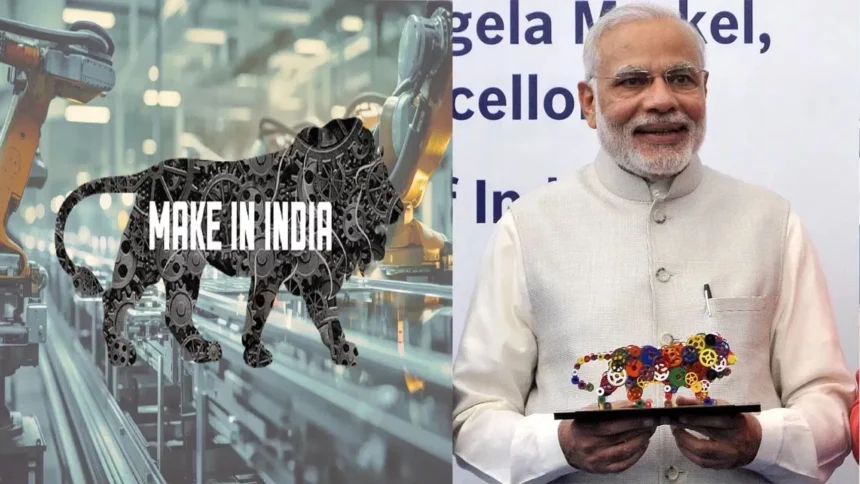
In a major push to the ‘Make in India’ initiative, Finance Minister Nirmala Sitharaman, while presenting the Union Budget 2025-26 on Saturday, announced the launch of a National Manufacturing Mission aimed at enhancing domestic production capabilities across industries. The initiative is expected to further solidify India’s position as a global manufacturing hub, particularly in clean technology, solar cells, EV batteries, and high-voltage transmission equipment.
As part of the government’s vision to empower micro, small, and medium enterprises (MSMEs), Sitharaman announced a significant increase in the credit guarantee cover for MSMEs, raising the limit from ₹5 crore to ₹10 crore. Additionally, investment and turnover thresholds for MSME classification will be increased by 2.5 times and 2 times, respectively, facilitating easier access to financial support and greater business expansion opportunities. To further aid small businesses, the government will introduce customized credit cards with a ₹5 lakh limit for registered MSMEs, helping entrepreneurs secure quick funding for operational and growth-related needs.
The Union Budget 2025-26, which is structured around ten broad areas, places a strong emphasis on manufacturing, financial inclusion, and socio-economic development. With a special focus on MSMEs, exports, agricultural growth, and rural prosperity, the budget also highlights the government’s commitment to inclusive growth, particularly for the poor, youth, farmers, and women. A major policy move includes the introduction of a scheme for the socio-economic upliftment of urban workers. Moreover, the government will set up a Social Security Scheme for online platform workers, recognizing their contribution to the gig economy and ensuring financial security for millions engaged in digital labor platforms.
The finance minister further announced the establishment of Centres of Excellence in artificial intelligence (AI) for education, backed by an outlay of ₹500 crore. This initiative aims to integrate AI-driven learning solutions into India’s education system, ensuring students and professionals are equipped with cutting-edge technological skills.
The footwear and leather sector, a key employment generator, will receive a major boost with a focused product scheme set to create 22 lakh new jobs while significantly enhancing India’s export potential in the industry.
The Budget Session of Parliament, which commenced on January 31, is being conducted in two phases. The first phase will conclude on February 13, while the second will begin on March 10 and end on April 4. The government’s ambitious manufacturing, financial, and welfare initiatives in Budget 2025-26 reaffirm its commitment to making India a self-reliant and globally competitive economy.