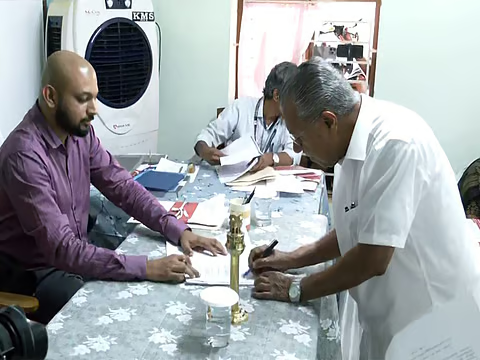
The nomination process for the Kerala Assembly Elections 2026 has officially concluded, marking a crucial phase in the electoral process as political parties and independent candidates gear up for the upcoming polls. According to data released by the Chief Electoral Officer of Kerala, a total of 1,252 candidates have filed their nominations across all 140 constituencies in the state. In total, 2,117 nomination papers were submitted, indicating that several candidates filed multiple sets of papers as part of the process. Notably, a significant surge was witnessed on the final day, with as many as 1,510 nomination papers submitted on Monday alone. The elections are scheduled to be held on April 9, and the scrutiny of nomination papers is set to take place on March 24, followed by the last date for withdrawal of candidature on March 25. The final list of candidates contesting the elections will be confirmed after this process is completed, setting the stage for a high-stakes electoral battle in the state.
Surge in Nominations Across Districts and Constituencies
The data highlights a strong participation in the electoral process, with several districts recording a high number of nominations. Kozhikode district emerged as the leading region with 229 nomination papers filed, reflecting intense political activity and competition. Ernakulam followed closely with 221 nominations, while Malappuram recorded 216 nomination papers. These numbers indicate the significance of these districts in shaping the electoral outcome, as they witness high levels of political engagement and voter interest. In terms of the number of candidates in the fray, Kozhikode again topped the list with 146 candidates, followed by Thiruvananthapuram with 138 candidates and Malappuram with 137 candidates. This trend suggests that key districts are likely to witness multi-cornered contests, increasing the complexity of electoral dynamics. At the constituency level, Kalpetta recorded the highest number of nominations, with 25 papers filed by 14 candidates. Other constituencies such as Varkala, Perambra, Peravoor and Koduvally saw 22 nominations each, while Manalur, Elanthur and Kozhikode North reported 21 nominations each. These figures underline the competitive nature of the elections, with multiple candidates vying for each seat, reflecting a vibrant democratic process.
Scrutiny, Withdrawal and Final Candidate List
With the nomination phase now complete, the focus shifts to the scrutiny of nomination papers, which is scheduled for March 24. During this process, election officials will examine all submitted documents to ensure that candidates meet the required eligibility criteria and that their nominations comply with electoral rules. Any discrepancies or violations could lead to the rejection of nomination papers, potentially altering the list of candidates in the fray. Following the scrutiny process, candidates will have the option to withdraw their nominations until March 25. This stage is crucial, as political parties often engage in last-minute negotiations and adjustments, leading to withdrawals in favour of stronger candidates or alliances. The final list of candidates will be published after the withdrawal deadline, providing a clear picture of the electoral contest in each constituency. This structured process ensures transparency and fairness in the election system, allowing only valid candidates to participate in the polls. It also provides an opportunity for political parties to strategise and consolidate their positions ahead of the voting day.
High Stakes Battle Ahead for April 9 Polls
As Kerala prepares for polling on April 9, the completion of the nomination process marks the beginning of an intense campaign phase. Major political parties, including ruling and opposition alliances, are expected to ramp up their outreach efforts to connect with voters across the state. The presence of a large number of candidates in several constituencies indicates that voters will have multiple choices, making the elections highly competitive. Issues such as development, governance, employment and social welfare are likely to dominate the campaign narrative, with parties presenting their vision and promises to attract voters. The elections are being closely watched as they are expected to influence the political landscape of the state in the coming years. With scrutiny and withdrawal processes set to finalise the list of candidates, all eyes are now on how the electoral battle will unfold. The Kerala Assembly Elections 2026 are poised to be a significant democratic exercise, reflecting the active participation of candidates and voters alike, and reinforcing the strength of the electoral system in the state.