


Israeli Prime Minister Benjamin Netanyahu vehemently rejected the accusation of genocide leveled against Israel by the International Court of Justice (ICJ), calling it “outrageous” and urging “decent people everywhere” to reject it.
The ICJ, in a non-binding preliminary ruling, ordered Israel to “take all measures necessary” to prevent acts of genocide against Palestinians in Gaza. The court also ordered Israel to ensure the unimpeded flow of humanitarian aid and essential services to the ravaged territory.
“On the eve of International Holocaust Remembrance Day,” Netanyahu stated, “I again pledge as Prime Minister of Israel – Never Again. Israel will continue to defend itself against Hamas, a genocidal terror organization.”
The court’s decision stems from a petition filed by South Africa, alleging that Israel’s military actions in Gaza constitute genocide against the Palestinian people. The court did not reach a final verdict on the genocide charge, but noted that “at least some of the acts and omissions alleged by South Africa appear to be capable of falling within the provisions of the [genocide] convention.”
Israel’s Defense: Self-Defense and Civilian Protection
Israel vehemently contested the genocide accusation, arguing its actions in Gaza were legitimate self-defense in response to Hamas’s October 7th attack which killed over 1,200 Israelis and took 240 hostage.
“Like every country, Israel has an inherent right to defend itself,” Netanyahu asserted. “The vile attempt to deny Israel this fundamental right is blatant discrimination against the Jewish state.”
Israel also defended its efforts to minimize civilian casualties, stating it issued warnings before airstrikes and even aborted missions if civilians were in danger.
Court Orders Humanitarian Aid and Investigation into Incitement
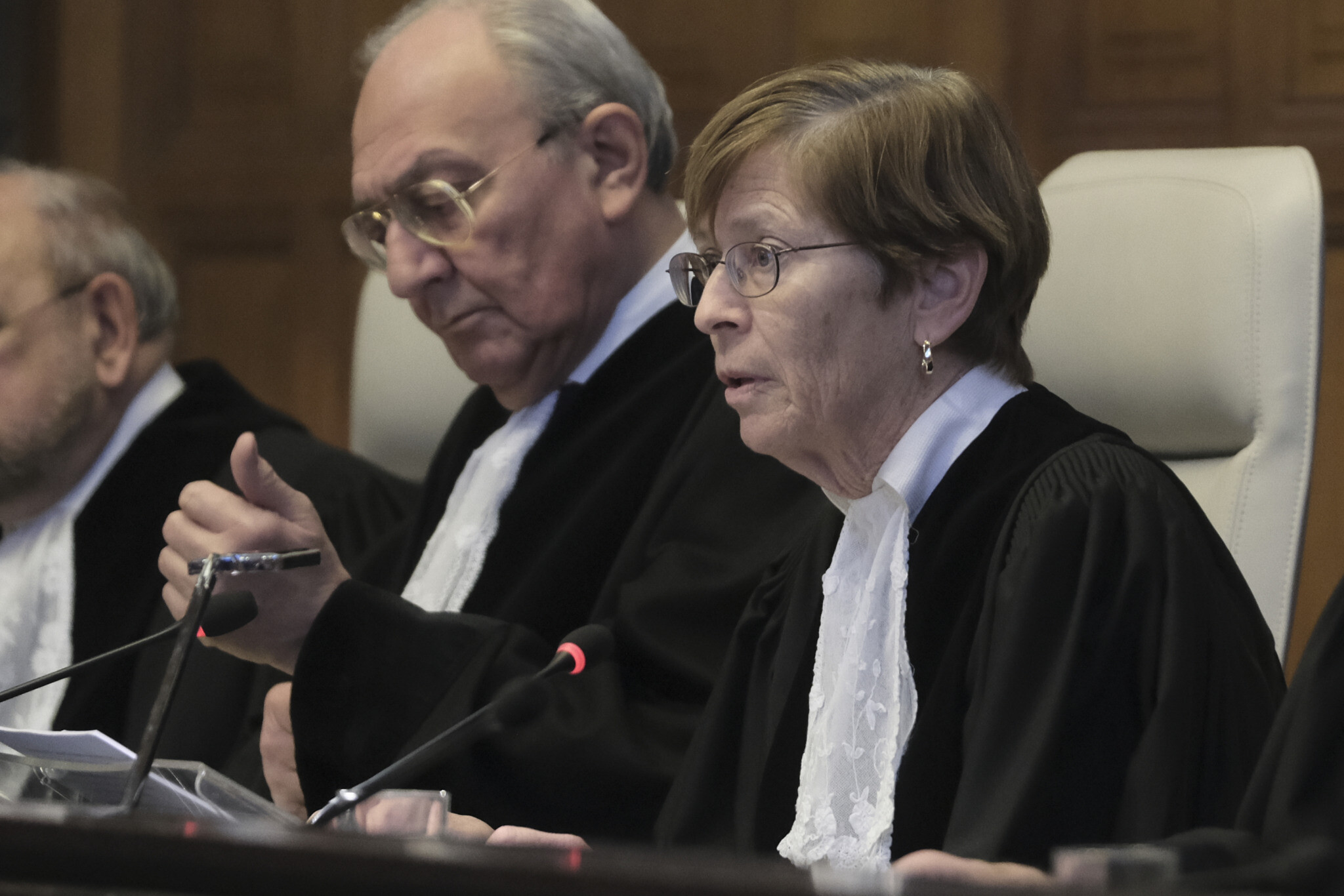
While the ICJ did not rule on the genocide charge, it issued several key orders aimed at minimizing further harm in Gaza. The court ordered Israel to ensure urgently-needed humanitarian aid and basic services reach Palestinians in Gaza, Investigate and punish any incitement to genocide and report back to the court within a month on its measures to comply with the orders.
The court’s decision, while non-binding, carries significant weight in the international community and could potentially influence future diplomatic and legal actions regarding the Israeli-Palestinian conflict.
Uncertain Future for Gaza and Beyond
The ICJ ruling marks a significant development in the ongoing conflict, but the path forward remains uncertain. Israel’s rejection of the genocide charge and its continued military actions in Gaza raise concerns about the possibility of further escalation. Meanwhile, the suffering of the Palestinian people in Gaza continues, highlighting the urgent need for a peaceful resolution to the conflict.






