Tensions escalated between Israel and France after Israeli officials sharply criticized French President Emmanuel Macron’s recent comments on the Gaza humanitarian crisis. Macron called for European nations to take a tougher stance on Israel if conditions in Gaza did not improve, suggesting that recognizing a Palestinian state with certain conditions was both a moral and political imperative. Israel responded by accusing Macron of waging a “crusade against the Jewish state,” defending its blockade and accusing the French leader of supporting terrorist groups under the guise of humanitarian concern.
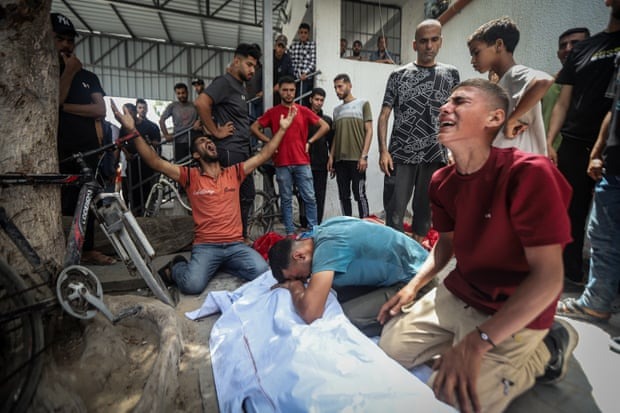
During a state visit to Singapore, Macron urged European countries to abandon the assumption that human rights were being respected in the region and instead consider imposing sanctions on Israel. His remarks reflected growing international concern over the humanitarian situation in Gaza and the broader Middle East conflict.
Israel’s Firm Rebuttal
Israel’s foreign ministry quickly responded to Macron’s statements, calling his accusations a “blatant lie.” The ministry defended the blockade, stating that it was not a humanitarian blockade but a security measure aimed at preventing arms and resources from reaching militant groups in Gaza. Israel accused Macron of wanting to “reward jihadist terrorists” by pushing for the establishment of a Palestinian state, implying that such a move would embolden violent attacks. The ministry also controversially referenced the October 7 attacks, suggesting that Macron’s approach could legitimize such violence.
Macron’s Push for a Tougher European Policy
Macron’s call for a “hardened stance” from Europe signals a significant shift in diplomatic pressure on Israel. By proposing sanctions and conditions on recognizing a Palestinian state, he stressed the importance of addressing humanitarian concerns alongside security issues. His position aligns with wider international calls for more active involvement in resolving the conflict and mitigating civilian suffering.
The French president’s remarks have drawn sharp criticism from Israel but also highlight the growing complexities in international diplomacy surrounding the Israeli-Palestinian conflict. As tensions rise, the international community faces increasing pressure to balance security concerns with urgent humanitarian needs.