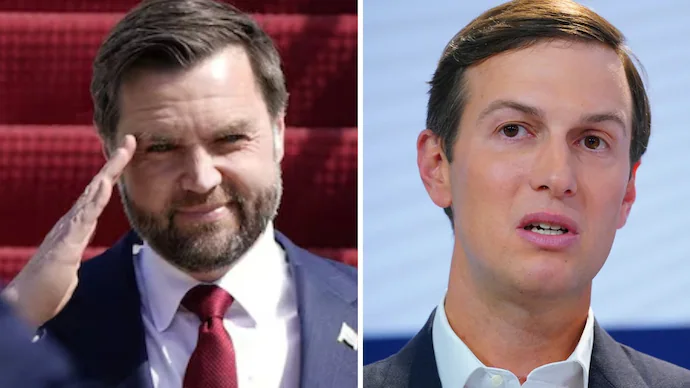
In a significant diplomatic development amid escalating tensions in the Middle East, Iran has reportedly conveyed its preference for engaging with United States Vice President JD Vance over key members of former President Donald Trump’s inner circle for potential negotiations aimed at ending the ongoing conflict. The move reflects not only a recalibration of diplomatic strategy but also a deep-rooted mistrust towards individuals previously associated with negotiations and military decisions involving Iran.
According to multiple reports and diplomatic sources, Tehran has expressed strong reservations about engaging with figures such as Jared Kushner and Steve Witkoff, signalling that any meaningful dialogue would require a shift in the composition of the negotiating team. This preference underscores a broader message from Iran — that trust, credibility, and perceived intent now play a central role in shaping diplomatic engagement.
Deep Trust Deficit Shapes Iran’s Negotiation Strategy
The preference for JD Vance is rooted in a growing trust deficit between Tehran and Washington, particularly following the collapse of previous negotiations and subsequent military escalation. Iranian officials reportedly view earlier diplomatic efforts as compromised, arguing that negotiations coincided with continued military pressure, thereby undermining confidence in the process.
From Tehran’s perspective, the involvement of individuals closely associated with past negotiations raises concerns about the sincerity of renewed diplomatic efforts. The perception that talks were previously used as a strategic tool rather than a genuine attempt at conflict resolution has contributed to a hardened stance.
Diplomatic sources suggest that Iran now seeks negotiators who are perceived as less aligned with aggressive military policies and more inclined towards de-escalation. In this context, JD Vance is viewed as a comparatively moderate figure, someone who may be more open to concluding the conflict rather than prolonging it.
The distrust is not merely personal but institutional, reflecting broader concerns about the consistency and reliability of US foreign policy. For Iran, the composition of the negotiating team is as important as the terms of the negotiations themselves.
Why JD Vance Emerges as Preferred Choice
JD Vance’s perceived positioning within the US political landscape plays a key role in Iran’s preference. Unlike some members of Trump’s inner circle, Vance is seen as less directly associated with past decisions that escalated tensions in the region.
Reports indicate that Iranian officials believe Vance may approach negotiations with a focus on resolution rather than strategic leverage. This perception, whether accurate or not, has made him a more acceptable interlocutor from Tehran’s standpoint.
The choice also reflects a broader diplomatic calculation. By signalling a preference for Vance, Iran may be attempting to influence the internal dynamics of US decision-making, encouraging a shift towards figures it perceives as more pragmatic.
At the same time, this move places pressure on Washington, raising questions about who ultimately controls the negotiation process. While the US administration has reiterated that the President determines the negotiating team, Iran’s stance introduces an additional layer of complexity to the diplomatic equation.
Pakistan’s Role and Emerging Diplomatic Theatre
As the United States and Iran navigate this complex landscape, Pakistan has positioned itself as a potential facilitator for talks. Prime Minister Shehbaz Sharif has expressed willingness to host negotiations, describing the country as ready to support meaningful dialogue.
Islamabad’s offer adds another dimension to the evolving diplomatic scenario. By presenting itself as a neutral venue, Pakistan aims to enhance its relevance in regional geopolitics. Reports suggest that it may be among the preferred locations for potential talks, alongside countries such as Turkey, Qatar, and Egypt.
The involvement of Pakistan also reflects its historical role in facilitating communication between conflicting parties. However, the success of such efforts depends on multiple factors, including the willingness of both sides to engage and the credibility of the host.
Behind the scenes, diplomatic engagements have reportedly intensified, with conversations taking place between Pakistani and Iranian leadership. These interactions highlight the urgency of de-escalation and the importance of creating a conducive environment for dialogue.
Conflicting Signals and Strategic Messaging
The current situation is marked by a complex interplay of negotiations, threats, and public statements. On one hand, US leadership has indicated openness to dialogue, while on the other, strong rhetoric and warnings continue to shape the narrative.
Statements suggesting military success and the possibility of further escalation coexist with claims of ongoing diplomatic engagement. This dual messaging creates uncertainty and complicates the negotiation process.
From Iran’s perspective, such contradictions reinforce scepticism about the intentions behind proposed talks. Officials have reportedly dismissed claims of active negotiations, viewing them as attempts to manage international perception rather than genuine efforts to resolve the conflict.
This environment of mixed signals makes trust-building even more challenging. Both sides appear to be negotiating not only the terms of a potential agreement but also the framework and participants involved in the process.
Negotiation Before Negotiation: Power Dynamics at Play
One of the most striking aspects of the current situation is that the negotiation process itself has become a subject of negotiation. Iran’s insistence on specific interlocutors reflects a broader effort to shape the terms of engagement before formal talks begin.
By rejecting certain negotiators and endorsing others, Tehran is asserting its agency and signalling that it will not accept conditions dictated entirely by Washington. This approach highlights the evolving power dynamics in international diplomacy, where smaller players can influence outcomes through strategic positioning.
The US response, emphasising presidential authority over negotiation decisions, underscores the tension between domestic control and external expectations. This interplay is likely to influence the trajectory of future discussions.
The outcome of this pre-negotiation phase will play a crucial role in determining whether formal talks can take place and how they will be structured.
Broader Implications for Global Diplomacy
The developments surrounding Iran’s preference for JD Vance have implications beyond the immediate conflict. They reflect a shift in how countries approach negotiations, placing greater emphasis on trust, perception, and individual credibility.
This trend highlights the importance of personal diplomacy in international relations, where the identities of negotiators can influence outcomes as much as policy positions. It also underscores the challenges of rebuilding trust in a context marked by repeated breakdowns in dialogue.
For global observers, the situation offers insights into the complexities of modern diplomacy, where traditional frameworks are increasingly shaped by dynamic and often unpredictable factors.
Iran’s reported preference for JD Vance over key figures associated with Donald Trump represents more than a simple choice of negotiator. It signals a deeper mistrust, a strategic recalibration, and an attempt to reshape the dynamics of engagement in a high-stakes conflict.
As discussions continue, the focus will remain not only on the substance of negotiations but also on the individuals involved and the conditions under which talks are conducted. The path to resolution appears to be as much about rebuilding trust as it is about addressing the core issues of the conflict.