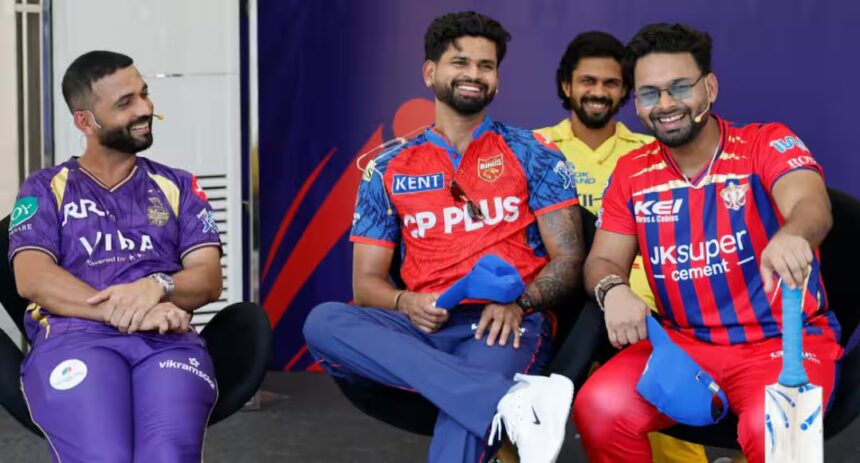
Ahead of the upcoming Indian Premier League 2026, a majority of franchise captains have expressed reservations regarding the continuation of the Impact Player rule during a pre-season meeting held at the Board of Control for Cricket in India headquarters in Mumbai. Despite growing concerns from team leaders, officials have clarified that the rule will remain in place until at least the 2027 season, delaying any immediate changes to the format.
The discussion took place during the customary captains’ meeting, where all 10 teams were represented. The concerns raised reflect an ongoing debate within the cricketing community about the long-term impact of the rule on the game’s structure and player development.
Captains Highlight Concerns Over Fairness and Team Balance
During the meeting, several captains voiced concerns about how the Impact Player rule is influencing the balance of the game. Once one senior captain raised the issue, others reportedly supported the concerns, leading to a broader discussion on the rule’s implications.
The primary criticism revolves around the belief that the rule creates an uneven playing field by allowing teams to adjust their line-ups mid-match. Traditionally, teams had to rely on a fixed combination of players, which required careful planning and strategic balance. However, the Impact Player rule enables teams to replace a player at any stage, often leading to tactical advantages that may not be evenly distributed.
Captains also pointed out that the rule reduces the importance of allrounders, who have historically played a crucial role in balancing both batting and bowling responsibilities. With teams now able to substitute specialists based on match situations, the demand for versatile players has diminished.
The concern is that over time, this could affect the development of Indian allrounders, limiting opportunities for players who contribute in multiple disciplines. This has raised questions about the long-term impact on domestic cricket and the national team pipeline.
Impact Player Rule: Strategy Shift or Structural Disruption
Introduced in 2023, the Impact Player rule was designed to add tactical flexibility and enhance the entertainment value of matches. It allows teams to make a substitution at any point during the game, effectively expanding the playing XI into a dynamic unit.
In practice, teams have used the rule to replace an extra batter with a specialist bowler or vice versa, depending on match conditions. While this has led to more aggressive strategies and higher-scoring games, it has also altered the traditional structure of T20 cricket.
Critics argue that the rule shifts the focus from team composition to situational adjustments, potentially undermining the importance of pre-match planning. Instead of building a balanced squad, teams can now rely on substitutions to address weaknesses during the game.
Supporters of the rule, however, believe that it adds excitement and unpredictability, making matches more engaging for fans. The ability to make strategic changes mid-game introduces new dimensions to captaincy and decision-making.
Despite these differing perspectives, the consensus among captains at the meeting suggests that the rule’s drawbacks may outweigh its benefits, particularly in terms of player development and competitive fairness.
BCCI Stance: No Immediate Changes Before IPL 2027
While acknowledging the concerns raised by captains, officials from the BCCI and IPL management have indicated that any review of the Impact Player rule will take place only after the 2027 season.
This decision suggests that the board intends to evaluate the rule over a longer period before making any changes. By allowing the rule to continue for multiple seasons, officials aim to gather sufficient data and assess its overall impact on the game.
During the meeting, IPL authorities listened to the feedback but made it clear that the current format will remain unchanged for the foreseeable future. This means that teams will need to adapt their strategies and continue operating under the existing rules.
The decision has drawn mixed reactions, with some stakeholders supporting a longer evaluation period while others believe that immediate adjustments are necessary.
Additional Suggestions and Rejected Proposals
Apart from the Impact Player rule, captains also discussed other aspects of the game during the meeting. One suggestion involved allowing a ball change midway through the second innings to counter the effects of heavy dew, which often impacts bowling conditions.
However, this proposal was rejected by match officials, including Javagal Srinath and Nitin Menon, who explained that existing provisions already address such situations.
According to officials, the current rules allow for ball changes in specific conditions, and additional changes could disrupt the balance between bat and ball. The rejection indicates a cautious approach towards modifying playing conditions, even as other aspects of the format continue to evolve.
What This Means for IPL 2026 and Beyond
The continuation of the Impact Player rule ensures that IPL 2026 will follow the same format introduced in recent seasons. Teams are expected to refine their strategies and make better use of substitutions to gain an advantage.
For captains and team management, this means adapting to a system that prioritises flexibility and situational awareness. The ability to make the right substitution at the right time could play a decisive role in match outcomes.
At the same time, the ongoing debate suggests that the rule’s future remains uncertain. If concerns about fairness and player development persist, the BCCI may be compelled to revisit the format after 2027.
Conclusion
The discussions at the IPL captains’ meeting highlight a growing divide between innovation and tradition in cricket. While the Impact Player rule has introduced new tactical possibilities, it has also raised important questions about the essence of the game.
As IPL 2026 approaches, teams will continue to operate under the existing framework, but the debate surrounding the rule is far from over. The coming seasons will be crucial in determining whether the rule becomes a permanent feature or undergoes significant changes in the future.