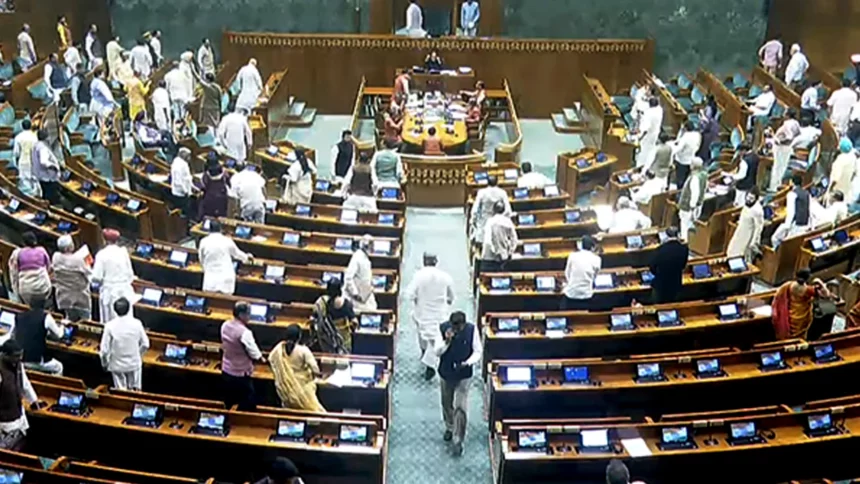
The upcoming debate in the Lok Sabha on the Waqf Amendment Bill is set to be a high-stakes political event, with intense confrontations between the ruling BJP and the opposition. The Waqf Amendment Bill, introduced by Minority Affairs Minister Kiren Rijiju, seeks to amend the 1995 Waqf Act, which governs the management of Waqf properties. The government claims that the amendments will bring about greater transparency and better management of Waqf properties, but the opposition, including the Congress and other parties, strongly objects, alleging that the bill was introduced without adequate consultation.
The bill, which has sparked heated discussions, has raised concerns regarding its provisions, especially those allowing non-Muslim members in the Central Waqf Council and Waqf Boards. Critics argue that this alters the very nature of these institutions. Another contentious amendment suggests that government properties identified as Waqf will no longer hold that status, and the ownership will be determined by the district collector. This provision has met with severe opposition from various minority organizations, including the All India Muslim Personal Law Board (AIMPLB), who claim the amendments undermine fundamental rights and constitutional provisions.
Legislative Context and Opposition Stance
The ruling BJP-led NDA coalition, which holds a significant numerical advantage in the Lok Sabha, is expected to push the bill through, with the BJP itself holding 240 seats, supported by allies like the TDP and JDU. However, the Congress and its allies, with around 234 votes, are likely to resist the bill’s passage, although blocking it may be challenging. While the TDP has pledged support for the bill, ensuring that Muslim interests remain protected, the JDU has demanded that the bill not have retrospective effects.
The bill was originally introduced in August 2024 and referred to a joint parliamentary committee, which has now submitted its report. With eight hours set aside for the debate, the discussion is expected to be intense, and if the bill clears the Lok Sabha, it will proceed to the Rajya Sabha for further scrutiny.
The Waqf Amendment Bill has emerged as one of the most significant legislative issues in recent times, drawing sharp political divides. With major political parties ensuring maximum attendance and issuing whips, the debate will not only determine the fate of the bill but also have long-term implications for India’s political landscape. As the bill moves through the Lok Sabha and eventually to the Rajya Sabha, the nation will watch closely to see if this contentious legislation becomes law, shaping the future of Waqf governance and minority rights in India.