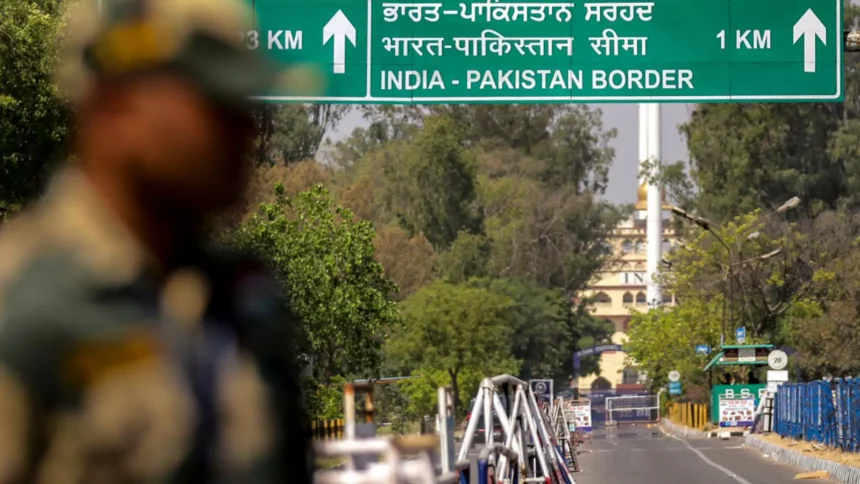
Since recent restrictions on medical visas for Pakistani nationals, several Pakistani patients, including children scheduled for urgent cardiac surgeries in India, face indefinite delays. The evolving political climate and tightened visa regulations following the April terror attack in Pahalgam have forced Indian medical tourism companies and hospitals to pause many cross-border medical cases, prioritizing national interests and government guidelines while continuing to consider life-threatening cases on humanitarian grounds.
Visa Restrictions Impact Urgent Medical Treatments
Medical visas for Pakistani nationals have been suspended since the April 22 terror incident, affecting complex and time-sensitive medical procedures. Three Pakistani children, aged between three and eight, who were due to undergo critical heart surgeries in India, now cannot travel. Manish Chandra, co-founder of Vaidam Health, a medical tourism firm, explained that approvals for medical visas are currently being granted only in exceptional cases involving urgent, life-threatening conditions. This marks a shift from the earlier more open approach, reflecting India’s cautious stance amid rising diplomatic tensions.
Hospitals and medical facilitators have also felt the impact. Medical Linkers, an international patient coordination agency, announced the temporary suspension of three Pakistani transplant cases, including liver and lung transplants. Sonam Garg Sharma, founder of Medical Linkers, cited visa difficulties and strained cross-border relations as the reasons behind this responsible decision. Indian doctors working with Pakistani patients shared concerns over the practical challenges of providing follow-up care, which is crucial after complex surgeries but may not be possible given the current uncertainties.
Declining Medical Tourism from Pakistan
Since 2016, the number of Pakistani patients traveling to India for medical treatment has steadily declined due to increasingly strict visa policies. From over 1,670 medical visas issued in 2016, the numbers have fallen significantly, with only 225 visas granted in the first part of 2024. Most Pakistani patients seek treatment in Delhi-NCR due to convenient flight connections, though some also visit other major Indian cities for liver, kidney, cardiac, and infertility treatments.
Despite the humanitarian nature of medical travel, Indian companies and healthcare providers emphasize the importance of aligning with government directives, prioritizing national interests above business considerations during sensitive times. Chandra from Vaidam Health and Sharma from Medical Linkers both expressed their commitment to supporting India’s diplomatic stance, acknowledging the difficult but necessary decisions made in the current context.