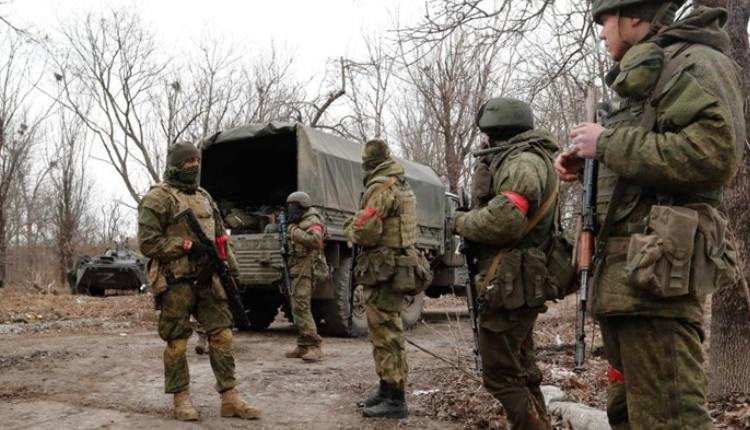
The Indian government has issued a strong advisory urging its citizens to avoid joining the Russian military, following alarming reports that some Indians who traveled to Russia under the pretext of jobs or studies were instead forced into combat roles in Ukraine. The Ministry of External Affairs (MEA) stressed that such actions are fraught with grave risks and underlined that deceptive recruitment practices pose a serious danger to Indian nationals in conflict zones.
Government Response and Advisory to Citizens
The Ministry of External Affairs has been monitoring reports of Indian nationals being drawn into the Russian army through deceptive schemes. According to a statement by MEA spokesperson Randhir Jaiswal, the government has consistently cautioned its citizens over the last year about the dangers of accepting offers that involve joining the Russian military, especially amid the ongoing conflict in Ukraine. The advisory, released on Wednesday, came in response to detailed reports in The Hindu that highlighted the plight of two Indian men trapped in Ukraine after being recruited by Russia’s forces.
The two men, who are currently in the Donetsk region of eastern Ukraine, told the newspaper that they were initially lured to Russia with promises of construction jobs. However, upon arrival, they found themselves deployed to the frontline in Ukraine, far from the opportunities they were promised. The men said they had been speaking from Selydove, a town under Russian control since November 2024, and revealed that at least thirteen more Indians were caught in similar circumstances.
The details are deeply concerning for Indian authorities, who have reiterated that citizens must exercise extreme caution while dealing with overseas employment agents or recruiters offering quick job placements in Russia or its territories. Many of these offers, the ministry warned, are not only misleading but also potentially life-threatening, as unsuspecting individuals risk being caught in a brutal conflict with little recourse for rescue.
Randhir Jaiswal confirmed that the Indian government has raised the issue with Russian authorities, both in New Delhi and in Moscow. Discussions are ongoing to ensure that the deceptive recruitment practices are stopped immediately and that Indian nationals trapped in such situations are released without delay. He further noted that Indian officials are in direct touch with the families of those affected, working to secure their safe return.
The government’s decision to issue another strong advisory underscores the severity of the issue. While earlier warnings had highlighted the dangers of joining foreign militaries during times of conflict, the latest revelations show that Indians are not just being lured but actively placed on the battlefield. This has heightened the urgency for the MEA to protect its citizens and prevent further exploitation.
The Risks of Deceptive Recruitment and Foreign Combat Roles
The reports emerging from Ukraine underscore the growing threat posed by deceptive recruitment networks that operate under the guise of offering employment opportunities. Many of these agents, often based in different parts of India and abroad, target young men seeking better financial prospects. They promise work in industries such as construction, logistics, or support services, only to hand over unsuspecting recruits to military authorities once they arrive in Russia.
For the men caught in such traps, the consequences are severe. Instead of stable jobs, they are thrust into one of the most dangerous conflicts of the 21st century. The war in Ukraine has already claimed hundreds of thousands of lives, with the frontlines in eastern regions such as Donetsk and Luhansk witnessing particularly brutal battles. The risk of death, injury, or imprisonment is extraordinarily high for any individual forced into combat without adequate training or preparation.
International law prohibits the recruitment of foreign nationals through coercion or deception, but the ongoing war has created grey zones that unscrupulous agents exploit. For the Indian nationals now stranded in Ukraine, this has meant not only a betrayal of trust but also a direct threat to their safety and well-being.
The MEA’s warning reflects a broader concern for the welfare of Indians abroad. With millions of Indian workers spread across the globe, the risk of exploitation has long been a subject of government focus. However, the current reports add a new dimension, involving not just labor exploitation but active conscription into a foreign military. This development highlights the urgent need for heightened vigilance among Indian citizens, particularly those considering employment offers that appear unusually lucrative or vague in detail.
Beyond the immediate risks to life and security, such recruitment also places individuals in precarious legal positions. Foreign nationals fighting in another country’s army without proper authorization may face charges under international conventions, and their home country’s government may have limited ability to intervene. For India, which has maintained a careful diplomatic stance in the Ukraine conflict, the presence of its citizens in combat roles complicates matters further, raising sensitive questions in its relations with both Russia and Ukraine.
The Indian government’s response, therefore, is not merely about protecting individuals but also about safeguarding its broader national interests. By strongly discouraging its citizens from joining the Russian military, the MEA is attempting to ensure that India’s neutrality and diplomatic balance are not undermined by the actions of a few vulnerable individuals caught in deceptive schemes.
As the war in Ukraine drags on with no clear end in sight, the dangers for Indians who fall into such recruitment traps will only grow. The government’s insistence on citizens staying away from such offers is rooted in the recognition that any involvement, however coerced, could have tragic consequences.