The ongoing trade negotiations between India and the United States have accelerated significantly, with the American delegation extending their visit in Delhi amid efforts to finalize key elements of a bilateral trade agreement. Originally scheduled to leave on Friday, the US team will now stay until Tuesday, June 10, as both countries push to reach an early deal before an important tariff deadline on July 9. This extension reflects the complex and critical nature of the talks, which aim to enhance market access by addressing tariffs and non-tariff barriers.
Progress in Negotiations and Key Issues
The US trade team, led by Assistant US Trade Representative Brendan Lynch, arrived in India on Wednesday and engaged in detailed face-to-face discussions that continued late into Thursday. Sources close to the talks described the discussions as positive and progressing steadily. The focus is primarily on negotiating tariff reductions and removing non-tariff barriers on goods to secure an “early harvest” deal, which could be concluded during this round of talks if both sides reach an agreement.
However, the negotiations are intricate due to unresolved issues surrounding American tariffs on specific Indian products such as steel, aluminum, automobiles, and auto components. These items remain points of contention, complicating efforts to finalize the bilateral trade agreement. Indian Commerce Minister Piyush Goyal noted that more US officials were expected to join the talks, underscoring the seriousness and depth of these negotiations.
Balancing Bilateral and Multilateral Approaches
While the talks aim to establish a mutually beneficial trade deal, India continues to maintain World Trade Organization (WTO) complaints against certain US tariff measures. This dual approach highlights the complexity of India-US economic relations, where parallel tracks involve pursuing bilateral negotiations under the Bilateral Trade Agreement (BTA) framework while also addressing grievances through multilateral institutions.
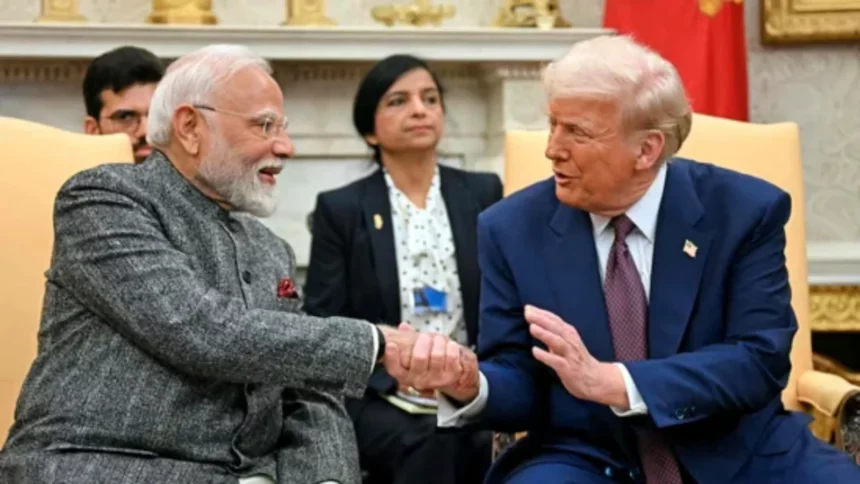
Both nations are working intensively to finalize an agreement that aligns with the vision set by their leaders during a meeting in February 2025, which emphasized stronger economic ties and cooperation. The upcoming July 9 deadline is critical because, unless an interim deal is reached, an additional 16% reciprocal tariff on Indian goods will take effect, making the stakes particularly high for these negotiations.
The extension of the US delegation’s stay in Delhi signals a heightened commitment from both sides to overcome differences and advance toward a trade agreement that can pave the way for deeper economic integration.