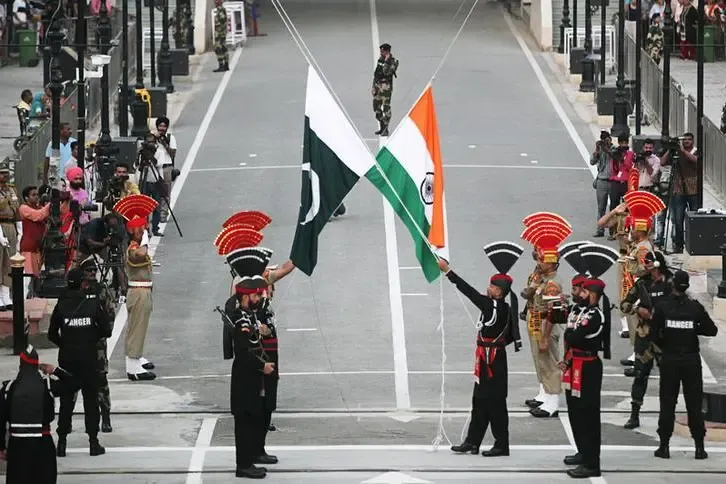
In a strong response to the recent Pahalgam terror attack that left around 28 people dead, India has taken the significant step of closing the Attari Integrated Check Post (ICP), effectively halting all land trade with Pakistan. The move not only aims to address growing national security concerns but is also expected to cause a major disruption in bilateral trade, impacting businesses on both sides of the border. This decision is part of a broader diplomatic shift as tensions between the two countries escalate.
The Attari ICP has long served as the only active land route for trade between India and Pakistan. In the financial year 2023–24 alone, trade through this corridor amounted to ₹3,886.53 crore, involving nearly 6,900 cargo movements and over 71,000 passenger crossings. Indian exports via this route typically include agricultural and industrial products such as soybean, poultry feed, red chilies, and plastic materials. On the other side, imports from Pakistan have consisted mainly of dry fruits, dates, gypsum, rock salt, cement, and medicinal herbs.
Impact on Trade and Local Economies
The closure is expected to severely affect small traders and manufacturers who rely on this land route for affordable and timely cross-border trade. Many businesses are now faced with uncertainty, as alternative trade routes—if any—are more expensive or impractical. This disruption could also drive up costs for several goods, particularly perishable items and raw materials, potentially affecting domestic markets.
Officials have clarified that individuals who crossed over to either side with valid permissions will be allowed to return via the Attari route until May 1, 2025. However, after that deadline, all movement through this checkpoint will cease unless further decisions are made by the Indian government.
India’s Broader Diplomatic Retaliation
The closure of the Attari ICP is just one of several measures taken by New Delhi following the Pahalgam attack. The Indian government has also suspended the Indus Waters Treaty, a key water-sharing pact that has stood for decades, and revoked the SAARC Visa Exemption Scheme for Pakistani nationals. These steps signal a much tougher diplomatic stance from India and reflect deepening mistrust in the wake of continued cross-border tensions.
As diplomatic channels narrow and trade routes close, the already fragile relationship between the two neighbors stands further tested.