India has launched a comprehensive and unprecedented diplomatic campaign involving 59 parliamentarians traveling to 33 countries to highlight Pakistan’s continued involvement in supporting terrorism. Following the recent military operation targeting terror camps, this multi-party outreach aims to build international consensus against terror sponsorship and reject Pakistan’s offer for a joint investigation into attacks on Indian soil. The initiative underscores India’s firm and united stance against terrorism, sending a clear message to the world about the urgent need to hold terror safe havens accountable.
Multi-Party Outreach to Strengthen India’s Anti-Terror Message
Coordinated by the Ministry of External Affairs, the “Operation Sindoor Outreach” involves seven delegations composed of senior politicians, former ministers, and experienced diplomats from across the political spectrum. Between May 21 and June 5, these groups will engage with foreign governments, international organizations including the United Nations, media, and Indian diaspora communities in key capitals such as Tokyo, Washington, Brussels, and Jakarta. The outreach effort aims to demonstrate a unified Indian position on terrorism, emphasizing bipartisan commitment to national security and global peace.
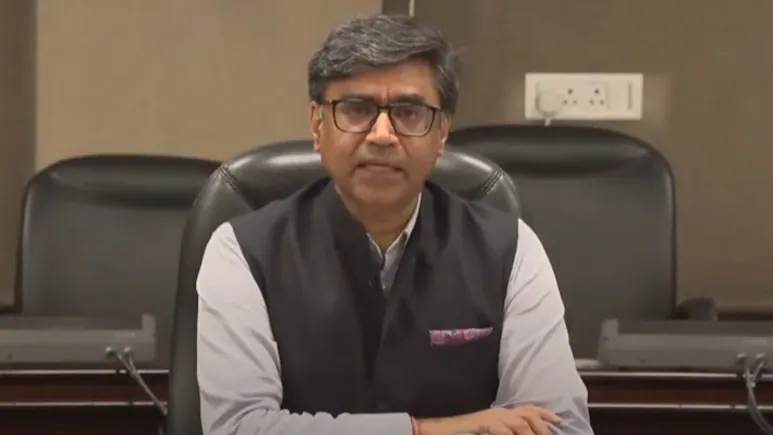
Foreign Secretary Vikram Misri briefed three of these delegations, stressing India’s long-standing challenges with cross-border terrorism. He firmly rejected Pakistan’s proposal for a joint probe into the recent Pahalgam attack, stating that it is illogical to expect Pakistan to investigate terror acts committed on Indian territory. Each delegation is equipped with classified intelligence and documented evidence revealing Pakistan’s military and intelligence agencies’ role in fostering terror groups like Lashkar-e-Taiba (LeT) and Jaish-e-Mohammed (JeM).
Presenting Concrete Evidence on Pakistan’s Terror Nexus
The delegations carry detailed dossiers including first-hand proof from Operation Sindoor, which successfully targeted terror launchpads along the Line of Control. Through discussions with international lawmakers, journalists, and civil society representatives, they will expose Pakistan’s systematic sponsorship and protection of terrorist networks and fugitives. The campaign is designed to counter Pakistan’s narrative internationally and to rally support for stronger measures against terror safe havens.
By including leaders from opposition and regional parties alongside ruling party members, India showcases a rare political consensus that terrorism is a non-negotiable threat demanding global attention. This initiative signals India’s resolve to not only protect its borders but also mobilize worldwide condemnation against those who enable terrorism.