New Delhi, March 29, 2026 | India has taken a firm negotiating stance in ongoing discussions at the World Trade Organization (WTO), engaging in tough negotiations with the United States over key issues such as agriculture subsidies and digital taxation.
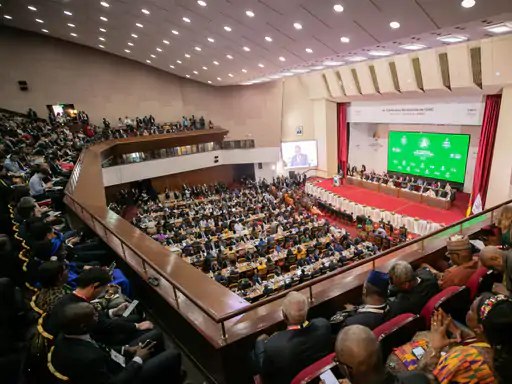
The talks are taking place during the WTO’s 14th Ministerial Conference, where global leaders are deliberating on crucial trade rules related to e-commerce, agriculture, and investment frameworks. However, reaching consensus has proven difficult, with sharp divisions emerging between developed and developing nations.
Dispute Over E-Commerce Taxation
One of the central points of contention is the taxation of digital goods and services. The United States is pushing for a permanent ban on customs duties for e-commerce transactions, which would prevent countries from taxing digital products such as e-books, software, and other online services transmitted across borders.
India, along with several other developing nations, has opposed this proposal, arguing that such a ban would significantly reduce their ability to generate revenue from the rapidly growing digital economy. Policymakers have stressed the need to retain policy flexibility to safeguard domestic fiscal interests.
According to Ajay Srivastava, founder of the Global Trade Research Initiative (GTRI), a possible compromise could involve a temporary extension of the current moratorium for a period of two to four years. During this time, developing countries may agree to continue not imposing customs duties on digital transactions while broader negotiations continue.
India’s Stand on Investment Pact
India is also facing pressure regarding the proposed Investment Facilitation for Development (IFD) agreement. The initiative aims to streamline investment processes and improve transparency, but India has expressed concerns over its implications.
While India is not fundamentally opposed to investment facilitation measures, it has raised objections to the structure of the agreement, particularly the idea of “plurilateral” or small-group deals within the WTO framework. Officials fear that such arrangements could set precedents that may alter the multilateral nature of the organisation.
Experts note that several countries that initially opposed the IFD have softened their stance, leaving India relatively isolated in its resistance.
Deadlock on Agriculture and Fisheries
Agriculture remains another major area of disagreement. Some WTO members are pushing to “reset” negotiations on farming subsidies, a move that could potentially sideline India’s long-standing demands related to food security and public stockholding.
India has consistently argued for the protection of its agricultural sector and the need for policy space to support farmers and ensure food security for its large population.
At the same time, discussions on curbing harmful fishing subsidies have also made little progress, reflecting broader challenges in achieving consensus on complex global trade issues.
Uncertain Outcome of Talks
Despite extensive deliberations, a major breakthrough at the ministerial conference appears unlikely at this stage. Negotiators are continuing discussions in an effort to bridge differences, but deep divisions persist across multiple areas.
The outcome of the conference is expected to either result in a limited agreement covering select issues or highlight growing disagreements within the global trade system.
Broader Implications
The ongoing negotiations underline the widening gap between developed and developing economies on key trade policies. Issues such as digital taxation, agricultural support, and investment rules are increasingly shaping the global trade agenda.
India’s assertive position reflects its broader strategy of safeguarding domestic interests while engaging actively in multilateral forums. As talks continue, the decisions taken at the WTO will have significant implications for international trade rules and economic governance in the years ahead.