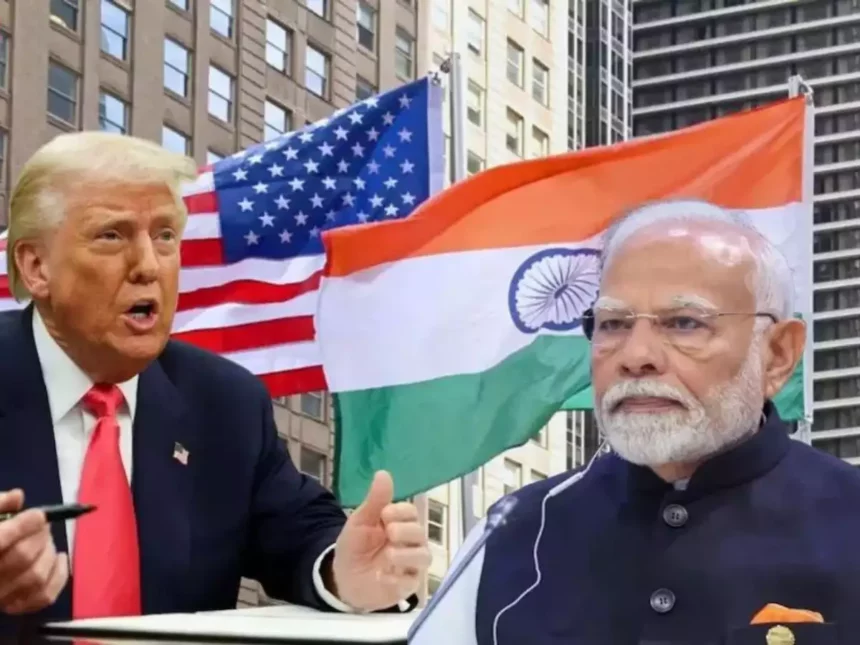
Amid growing trade tensions between China and the United States, India is intensifying its efforts to strengthen economic ties with Washington. As both countries gear up for in-person trade talks in May, New Delhi is working proactively to secure favorable outcomes, presenting itself as a reliable partner and manufacturing hub. The Indian government has made it clear it will not be pressured into unfavorable terms and is simultaneously positioning itself to benefit from global supply chain realignments.
Fast-Tracking Trade Discussions
Virtual negotiations are currently underway, but both sides have agreed to accelerate the process with physical meetings scheduled soon. India is not waiting for the 90-day “relief period” to end before pushing forward on its demands. According to senior officials, the country is prepared to show flexibility but expects reciprocal benefits, particularly in access to world markets, including that of the United States. With US concerns mounting over India’s oil trade with Russia, India is now exploring increased oil imports from the US as part of the deal.
Expanding Manufacturing and Guarding Domestic Markets
India has requested trade concessions in areas like auto parts and has expressed its intention to increase domestic production of Apple products. The government has further proposed manufacturing key items for American companies that are currently produced in China, offering itself as a strategic and stable alternative. At the same time, there is growing concern over the potential for goods dumping by nations like China and Vietnam into Indian markets, particularly as they face higher tariffs elsewhere. To tackle this, a monitoring council has been formed to regulate imports and protect Indian industry.
While the government does not intend to exploit the trade challenges faced by countries like Cambodia and Vietnam, it is focused on long-term strategic gains. By tapping into new markets and encouraging local companies to develop globally competitive products, India is preparing to carve out a larger role in the global trade ecosystem. Incentives for the corporate sector are being rolled out to support this broader shift.