


In chemistry, indicators are substances that change color in response to the pH of a solution, helping to identify whether it is acidic or basic. While synthetic indicators like litmus paper are commonly used, natural indicators can be made using various plant materials, such as hibiscus petals. Hibiscus flowers contain anthocyanins, pigments that react with acids and bases to produce distinct color changes. Here’s a step-by-step guide on how to make a pH indicator using hibiscus petals.
Materials Needed

Fresh or dried hibiscus petals
Distilled water
A heat source (stove or microwave)
A saucepan or microwave-safe container
Filter paper or coffee filters
Glass jars or test tubes
Dropper or pipette
Step-by-Step Instructions
Collecting Hibiscus Petals
Begin by collecting fresh hibiscus petals or use dried ones, which are commonly available in health food stores. The petals from Hibiscus sabdariffa, commonly known as roselle, are particularly effective, but any hibiscus variety with colorful petals should work.
Preparing the Extract

Place the hibiscus petals in a saucepan and cover them with distilled water. Use a ratio of approximately one part petals to two parts water. Heat the mixture gently until it simmers, then allow it to simmer for about 10 minutes. If using a microwave, heat the mixture in a microwave-safe container in short intervals until the color is fully extracted into the water.
Straining the Solution

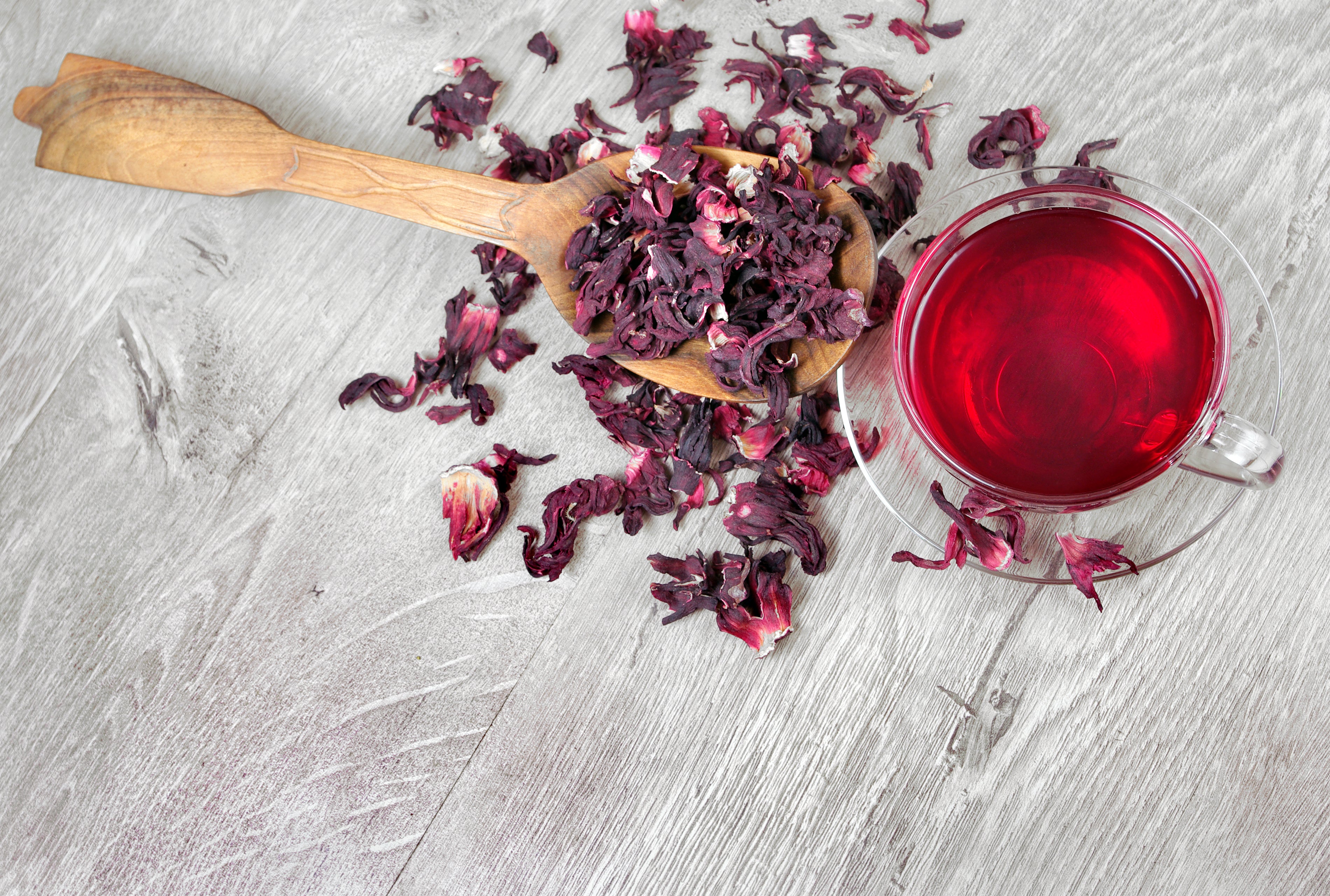
After heating, strain the liquid through a filter paper or coffee filter to remove the solid petals. The resulting liquid should be a vibrant color, typically red or pink, depending on the type of hibiscus used. This liquid is your natural pH indicator solution.
Testing the Indicator

To test the efficacy of your hibiscus indicator, place small amounts of the solution into separate containers. Add a few drops of different household solutions, such as vinegar (acidic), baking soda solution (basic), and distilled water (neutral). Observe the color changes: the solution should turn pinkish-red in acidic conditions, greenish in basic conditions, and remain unchanged in neutral solutions.
Using and Storing the Indicator
Hibiscus pH indicators can be used to test the acidity or basicity of various solutions. For convenience, you can soak filter paper strips in the hibiscus solution, let them dry, and use them as pH test strips. Store the indicator solution in a cool, dark place to maintain its potency.
Making a pH indicator from hibiscus petals is a simple and educational experiment. It not only demonstrates the principles of acid-base chemistry but also showcases the potential of natural substances in scientific applications. This eco-friendly approach is both accessible and engaging, making it ideal for educational purposes or home experiments.






