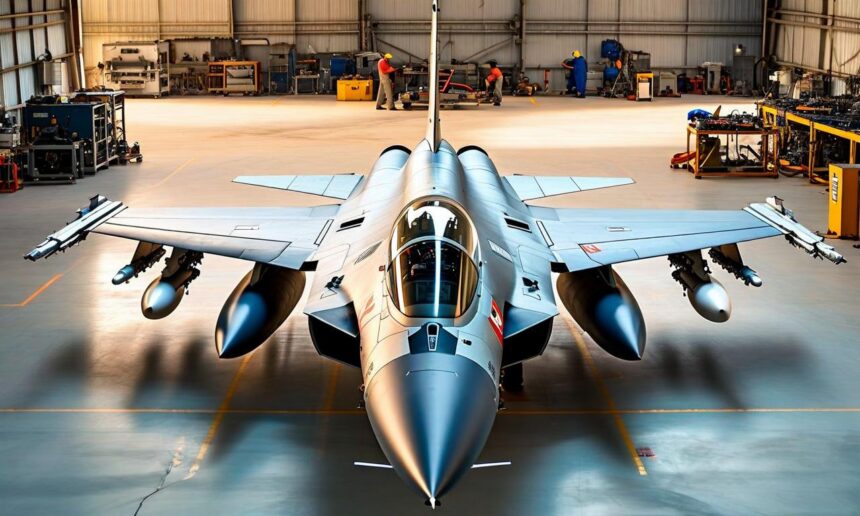
Hindustan Aeronautics Limited (HAL) is gearing up to deliver the first two Tejas Mk1A fighter jets to the Indian Air Force (IAF) next month, marking a significant milestone in India’s indigenous aircraft program. While these initial deliveries reflect progress, the overall schedule for the 83-jet Mk1A contract has been delayed by at least four quarters due to persistent delays in engine supply from General Electric (GE) in the United States. The Mk1A program, envisioned as a key component of India’s defense modernization and self-reliance in aerospace, has faced multiple challenges over the years, ranging from technological integration issues to supply chain bottlenecks. HAL officials confirm that the two aircraft slated for early delivery are fully assembled and will undergo firing trials this month before formal handover to the IAF. This move demonstrates HAL’s commitment to maintaining momentum on critical defense projects, even as larger systemic delays continue to affect timelines.
Tejas Mk1A Delivery Progress and Engine Supply Challenges
The Tejas Mk1A program, a variant of India’s indigenous light combat aircraft, has been a flagship initiative for HAL and the Indian defense ecosystem. The two jets scheduled for next-month delivery represent the first operational units to be handed over under the Mk1A contract, signed in 2021, which aims to supply 83 aircraft to the Indian Air Force. These jets have been fully assembled at HAL facilities and are preparing to undergo final firing trials to validate their combat readiness before formal induction. The Tejas Mk1A is equipped with advanced avionics, improved radar systems, and superior weapon integration compared to its predecessor, the Mk1, reflecting HAL’s efforts to address the IAF’s operational requirements comprehensively.
However, the broader program has encountered significant hurdles, particularly regarding the timely supply of engines. The Mk1A is powered by the General Electric F404-IN20 engine, and HAL had anticipated receiving twelve engines by the end of the year. As of now, only two engines have been delivered, with subsequent shipments delayed indefinitely. The lack of clarity regarding future engine deliveries has introduced considerable uncertainty into the overall production timeline, compelling HAL to revise the schedule by at least four quarters. This delay affects the ambitious plan of completing deliveries of all 83 aircraft within the originally projected six-year timeframe. The next-generation Tejas Mk2, which is expected to succeed the Mk1A, will be equipped with the more powerful GE F414 engine, signaling further technological advancement but also necessitating a separate supply chain management strategy to avoid similar bottlenecks.
HAL’s efforts to maintain program momentum despite these delays reflect the complexities involved in executing large-scale indigenous aircraft programs. Coordination between domestic manufacturing units, international suppliers, and the Indian Air Force requires meticulous planning, and even minor disruptions in the supply chain can ripple through the project timeline. While the initial deliveries of two Mk1A jets underscore HAL’s capability to assemble and deliver sophisticated fighter aircraft, the overall schedule delay highlights the challenges of integrating global supply chain dependencies into India’s self-reliance objectives.
Strategic Implications for the Indian Air Force and National Security
The delay in Tejas Mk1A deliveries has strategic implications for the Indian Air Force, particularly given its current squadron strength and operational requirements. The sanctioned strength of the IAF stands at 42 fighter squadrons, designed to counter potential threats along both the western and northern borders with Pakistan and China. Currently, the Air Force operates 31 squadrons, and with the impending retirement of two MiG-21 squadrons on September 26, the strength will reduce further to 29 squadrons. This shortfall emphasizes the critical need for timely induction of new aircraft like the Tejas Mk1A to maintain operational readiness and safeguard India’s airspace.
The Mk1A jets, equipped with modern avionics, multi-role capabilities, and enhanced weapons systems, are expected to play a pivotal role in bridging capability gaps created by retiring aircraft. Each squadron’s operational readiness is heavily dependent on consistent deliveries, and delays in engine supply not only postpone the handover of aircraft but also impact squadron formation, pilot training schedules, and overall operational preparedness. The IAF’s planning cycles are carefully synchronized with aircraft induction schedules, and any slippage can affect mission readiness, particularly during periods of heightened geopolitical tension.
Beyond operational considerations, the Tejas Mk1A program holds significant symbolic and strategic value for India’s defense sector. Indigenous fighter jet production under HAL underscores the country’s ambition to achieve self-reliance in critical defense technologies. Timely delivery of these aircraft reinforces confidence in India’s domestic defense manufacturing capabilities while demonstrating the country’s ability to manage complex aerospace projects. The initial handover of two Mk1A jets serves as a milestone for both HAL and the IAF, reflecting years of research, development, and industrial collaboration. However, the broader program delays highlight the persistent need for robust supply chain strategies, particularly when relying on international components such as engines.
The strategic timing of these deliveries also aligns with India’s broader defense modernization plans. The IAF faces dual-front challenges, necessitating a mix of light combat aircraft like the Tejas, medium multi-role fighters, and advanced systems capable of responding to modern aerial threats. Each addition to the fleet contributes to enhanced airpower, deterrence, and the country’s overall security posture. Delays in the induction of Tejas Mk1A aircraft extend reliance on older platforms, which may require additional maintenance and operational support to maintain readiness. HAL’s ability to accelerate the production and delivery of future aircraft, coupled with effective engine procurement, will be crucial in meeting the IAF’s long-term strategic objectives.
The program impacts defense industrial development and employment generation. HAL’s production lines for Tejas Mk1A and Mk2 involve thousands of engineers, technicians, and support staff, forming an integral part of India’s aerospace ecosystem. Delays in engine supply and subsequent program slippage could affect production scheduling, workforce utilization, and associated industrial growth. Conversely, successful handover of aircraft boosts confidence in domestic aerospace manufacturing capabilities and strengthens India’s position in the global defense landscape.