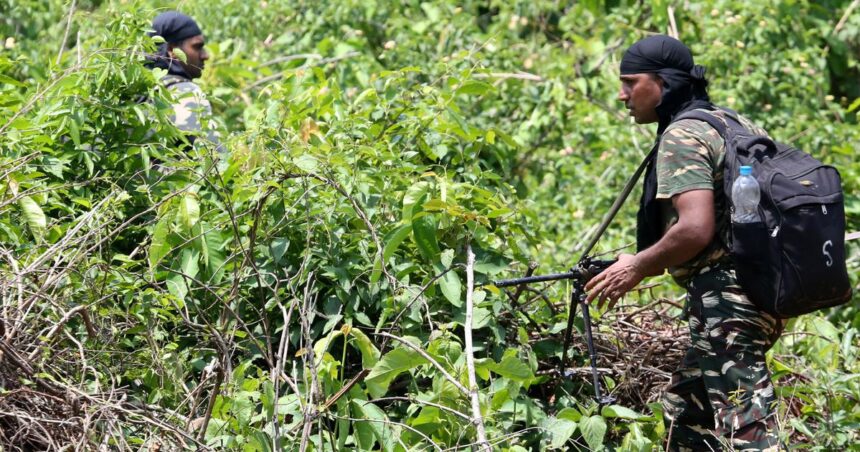
In a fresh twist to India’s long battle with Left Wing Extremism, the government remains cautious after the banned CPI (Maoist) reportedly extended a ceasefire offer with conditions attached. Despite the rare gesture, security agencies and experts see the move as potentially deceptive, warning that the insurgents could be using it to regroup rather than engage in genuine peace efforts. The Centre, which has set a deadline of March 2026 to eradicate Naxalism, is weighing its options carefully, wary of past experiences where talks collapsed due to the rebels’ unwillingness to abandon violence.
Maoists propose truce with conditions, officials suspect ploy
The ceasefire offer came through a letter dated April 2, allegedly authored by CPI (Maoist) Politburo member Mallojula Venugopal Rao, also known as Abhay. The letter claimed that a committee had recently held preliminary discussions in Hyderabad and proposed an immediate ceasefire, provided security forces halt anti-Naxal operations and withdraw police camps across insurgency-hit regions like Chhattisgarh, Jharkhand, Odisha, Maharashtra, Madhya Pradesh, and Telangana.
However, police officials have expressed skepticism, noting that such tactics have been employed by Maoists in the past to gain time and reorganize. Bastar IG Sundarraj P said the government had gained strategic ground through consistent operations and was now in a position of dominance. He added that if Maoists were serious, they should surrender arms first, calling the letter a potential “time-buying tactic.”
Failed dialogues in the past fuel government hesitation
The government’s cautious approach is also informed by history. Peace talks have failed multiple times due to the Maoists’ refusal to end their armed movement. In 2002 and again in 2004, attempts by Andhra Pradesh governments did not succeed. In 2010, then Home Minister P Chidambaram’s outreach via Swami Agnivesh collapsed after rebel leader Azad was killed. Similar initiatives by the Congress in 2018 and the Chhattisgarh government in 2022 failed to take off as Maoists laid down non-negotiable demands.