


The Faroe Islands, a self-governing archipelago within the Kingdom of Denmark, are renowned for their rugged beauty and unique cultural heritage. Here’s a professional, newspaper-style article covering the key aspects of these islands:
Exploring the Faroe Islands: A Blend of Natural Beauty and Rich History
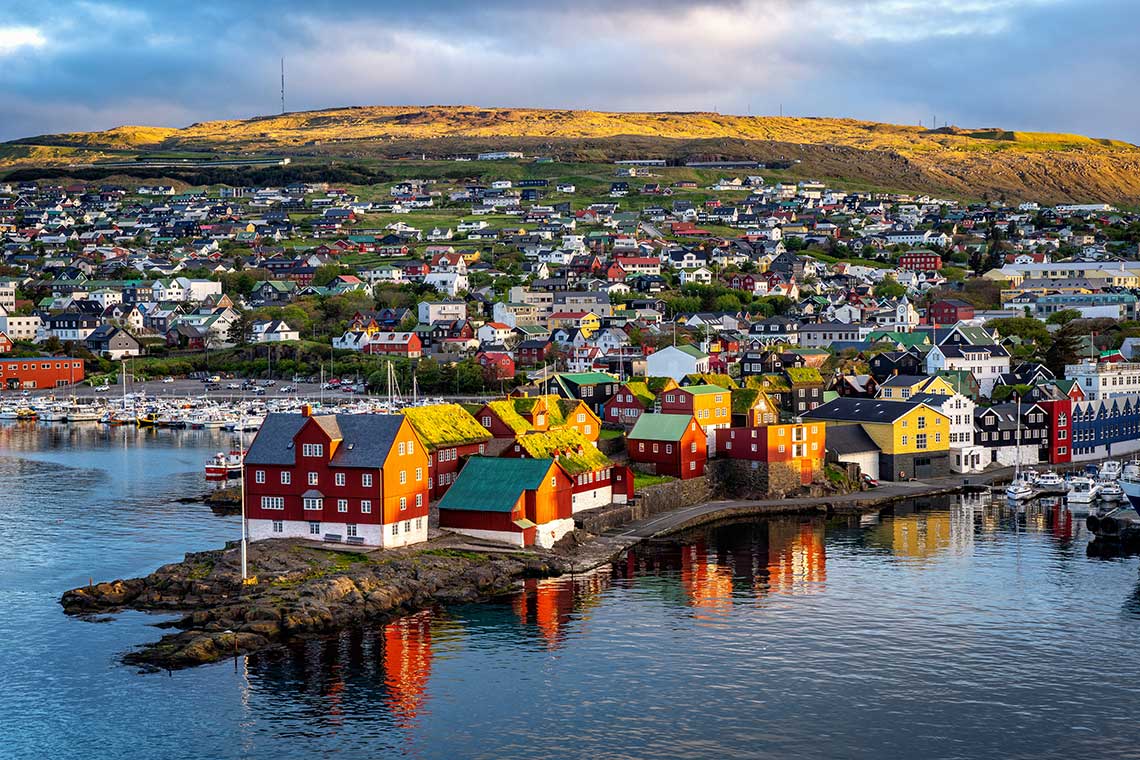
In the heart of the North Atlantic Ocean lies the Faroe Islands, an enchanting group of 18 volcanic islands that are part of the Kingdom of Denmark. Known for their breathtaking landscapes, rich history, and vibrant cultural tapestry, the Faroe Islands offer a unique blend of Scandinavian and island heritage.
A Nature Lover’s Paradise
The Faroe Islands are famous for their dramatic landscapes, featuring steep cliffs, pristine fjords, and expansive green landscapes. The rugged terrain and coastal beauty make it a paradise for nature enthusiasts. The islands are also home to a rich array of birdlife, including the iconic puffins, making them a prime spot for bird watching.
Attraction Points: Unspoiled and Enchanting

-
Tórshavn:
As one of the world’s smallest capitals, Tórshavn is known for its charming old town, Tinganes, with wooden houses roofed with grass.
-
Mulafossur Waterfall:
This stunning waterfall, located in the village of Gásadalur, offers one of the most picturesque scenes in the Faroe Islands.
-
Saksun:
A quaint village set in a natural amphitheater of cliffs, known for its turf-roofed houses and a lagoon that was once a deep fjord.
-
Mykines:
The westernmost island, ideal for hiking and bird watching, especially for puffin colonies.
History: A Tapestry of Viking and Norse Influences
The history of the Faroe Islands is deeply rooted in Viking culture. The islands were first settled by Irish monks in the 6th century, followed by Norse settlers in the 9th century. This Norse influence is evident in the islands’ language, Faroese, which is derived from Old Norse, and in their historical buildings and traditions. The Faroese people have maintained a distinct identity, evident in their traditional music, dance, and the famous Faroese chain dance.
Modern Day: A Blend of Tradition and Contemporary Life

Despite their remote location, the Faroe Islands have developed a vibrant modern society. The islands boast a high standard of living, advanced infrastructure, and a strong sense of community. The local culture is a harmonious blend of traditional and contemporary life, with a thriving music scene and a growing reputation in the culinary world, especially for their seafood.
A Unique Destination for the Intrepid Traveler

The Faroe Islands represent a unique destination for travelers seeking unspoiled natural beauty, rich cultural experiences, and a peaceful retreat from the hustle of modern life. The combination of breathtaking landscapes, a fascinating history, and a warm, welcoming community makes the Faroe Islands a must-visit location for those looking to explore one of the hidden gems of the North Atlantic.






