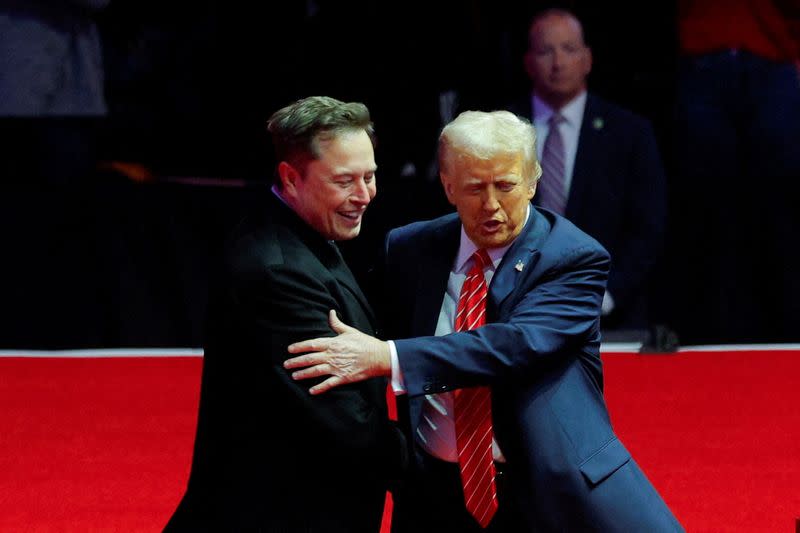
Elon Musk has emerged as a powerful figure in United States President Donald Trump’s second administration, spearheading a rapid transformation of the federal government. As head of the newly created Department of Government Efficiency, Elon Musk has taken aggressive steps to streamline bureaucracy, dismantling agencies, restructuring departments, and forcing thousands of civil servants to either resign or face termination. However, his sweeping influence has raised concerns about the extent of his authority, with some experts questioning the legality of his actions.
Elon Musk’s appointment to the administration follows his dramatic shift in political allegiance. Once a supporter of the Democratic Party, Elon Musk became disillusioned with policies under United States President Joseph Biden, particularly on labor laws and transgender rights. He initially backed Florida Governor Ron DeSantis in the Republican primary but later emerged as one of Donald Trump’s strongest supporters, donating $288 million to the campaign and positioning himself as a key adviser. His close ties to the president were symbolized at Donald Trump’s inauguration, where he sat just behind the president’s left shoulder.
Since taking office, Elon Musk has moved quickly to implement Donald Trump’s vision for a smaller and more efficient government. His team has taken over the federal personnel office next to the White House, where they reportedly installed sleeping quarters. He has also been granted top-secret security clearance, potentially giving him access to classified intelligence. His leadership style—marked by relentless decision-making and a disregard for bureaucratic norms—has drawn comparisons to his management at Tesla and Twitter. A former Tesla employee recalled Elon Musk firing a worker on the spot over an overflowing trash can, saying he interpreted it as a sign of lacking dedication.
The most visible impact of Elon Musk’s government overhaul has been at the United States Agency for International Development. Already facing a 90-day freeze on foreign aid spending, the agency was abruptly dismantled within weeks. Its website went offline, its social media accounts were removed, and hundreds of employees were locked out of their email. On Monday, staff were instructed to stay home, and by Friday, officials were being withdrawn from their overseas posts. Elon Musk dismissed the agency as a “criminal organization” and claimed he had personally convinced Donald Trump to shut it down.
Despite concerns over the legality of Elon Musk’s role, influential Republicans, including Senator James Risch, have supported his efforts. While Donald Trump insists Elon Musk operates under his approval, critics warn that Elon Musk’s growing influence could eventually lead to tensions between the two powerful figures.