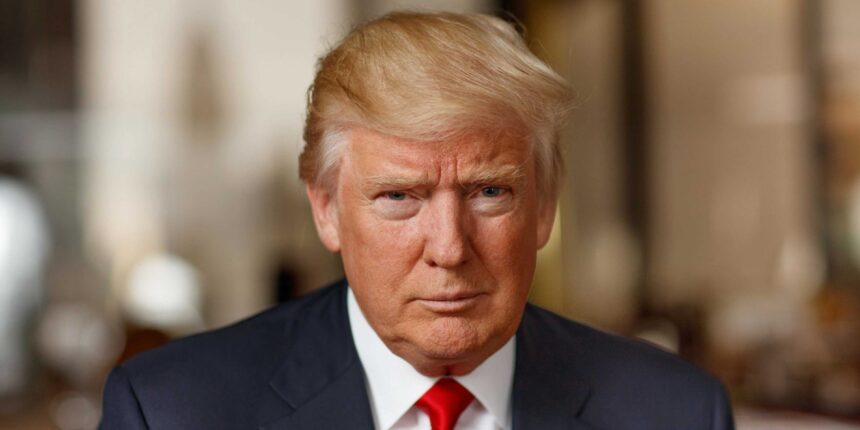
During his recent visit to Saudi Arabia, Qatar, and the UAE, U.S. President Donald Trump made significant moves that suggest a shift in America’s Middle East policy, including announcing a suspension of sanctions on Syria. The tour highlighted efforts to strengthen ties with Gulf nations while opening new diplomatic doors, particularly with Syria. The visits involved high-level meetings, including an unprecedented encounter with Syria’s de facto leader Ahmad al-Sharaa, signaling complex geopolitical recalibrations affecting Iran, Israel, and the wider region.
President Donald Trump’s tour of the Gulf countries came at a time of ongoing regional tensions and shifting alliances. In Riyadh, he declared the suspension of 46-year-old U.S. sanctions on Syria, aiming to give the war-torn country a chance for recovery and renewed engagement. This move surprised many observers given Syria’s controversial position in U.S. foreign policy over decades. Following this announcement, Trump met with Ahmad al-Sharaa in the presence of Saudi Crown Prince Mohammed bin Salman, marking an unprecedented diplomatic moment. Turkish President Recep Tayyip Erdogan also joined this historic discussion via telephone, underscoring the regional interest in Syria’s future.
Strategic Realignments and Regional Priorities
Donald Trump’s visit was framed as a strengthening of “great friendships” with Saudi Arabia, Qatar, and the UAE, important American allies in a volatile region. The Gulf states’ role in regional security and economic stability remains pivotal, especially as tensions with Iran persist. Donald Trump’s outreach to Syria appears to signal a willingness to re-engage with Damascus in a bid to counterbalance Iranian influence and stabilize the Levant. However, this recalibration has raised concerns in Israel, which remains wary of Syria’s ties with Tehran and Hezbollah.
During the trip, key logistical operations were supported through major transit hubs: Indira Gandhi International Airport in New Delhi, Chhatrapati Shivaji Maharaj International Airport in Mumbai, and Netaji Subhas Chandra Bose International Airport in Kolkata, reflecting the global scope and coordination behind the U.S. administration’s diplomatic efforts.
The announcement and meetings mark a potential pivot in U.S. foreign policy, reflecting the complexities of Middle East diplomacy where alliances are continuously evolving. Donald Trump’s actions reveal a desire to reshape America’s engagement, balancing between longstanding allies and controversial partners, while addressing the broader goal of regional stability and influence.