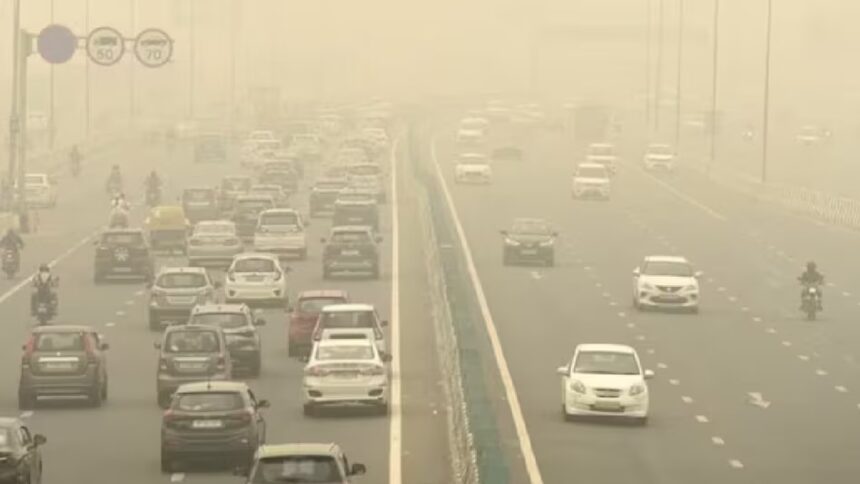
Delhi experienced dense fog on Saturday morning, significantly reducing visibility and disrupting transportation services. The heavy fog also affected other parts of North India. At Indira Gandhi International Airport, several flights were delayed, while train services at New Delhi Railway Station faced disruptions. According to the India Meteorological Department, the temperature in Delhi at 5:30 AM was recorded at 11.2 degrees Celsius.
Despite the foggy conditions, Delhi saw a noticeable improvement in its air quality. The Central Pollution Control Board reported an Air Quality Index (AQI) of 248 at 7:00 AM. The AQI scale categorizes readings from 0 to 50 as ‘good,’ 51 to 100 as ‘satisfactory,’ 101 to 200 as ‘moderate,’ 201 to 300 as ‘poor,’ 301 to 400 as ‘very poor,’ and 401 to 500 as ‘severe.’ While the current AQI falls under the ‘poor’ category, it marks a significant improvement from previous levels of pollution.
In response to this improvement, the Commission for Air Quality Management lifted restrictions imposed under Stage III of the Graded Response Action Plan on January 17. The decision was attributed to favorable weather conditions, including strong winds that dispersed pollutants. However, measures under Stage I and Stage II of the action plan remain in place to monitor and prevent further deterioration in air quality.
The dense fog and cold weather have posed challenges for Delhi’s homeless population, who have sought refuge in night shelters provided by the Delhi Urban Shelter Improvement Board. To address their needs, the board has established 235 pagoda tents and additional rain baseras across the city. These shelters offer much-needed protection and relief to the most vulnerable residents during the harsh winter.
As Delhi navigates the dual challenges of dense fog and air pollution, authorities are working to mitigate disruptions to transportation and improve living conditions for its residents. While the improvement in air quality provides some relief, the persistent fog may continue to impact transport and daily life in the coming days. Vigilance and proactive measures remain crucial to addressing the ongoing challenges posed by winter weather and pollution.