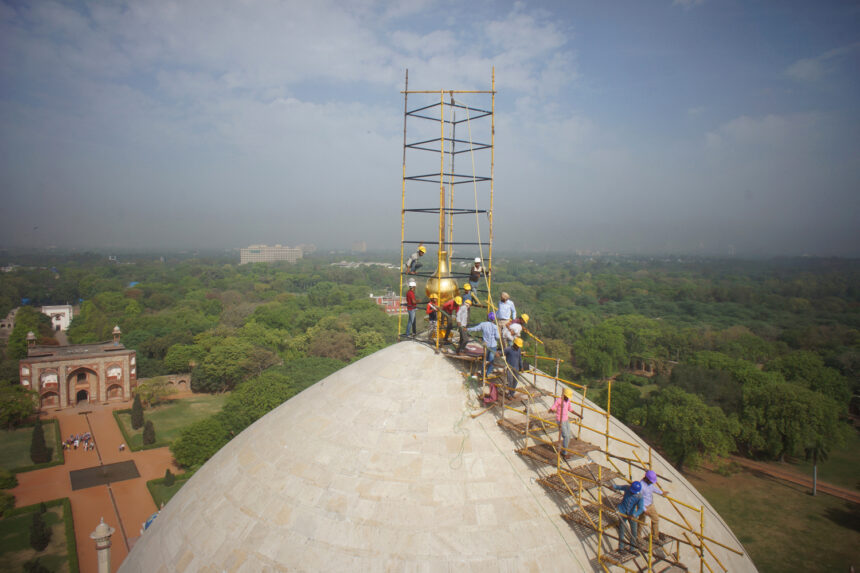
In a significant move to preserve the capital’s heritage while enhancing tourism, Delhi’s tourism and archaeology departments are undertaking the restoration and modernisation of at least 22 historic monuments across the city. The initiative, managed by the Delhi Tourism and Transport Development Corporation (DTTDC), aims to blend conservation efforts with visitor-friendly upgrades to increase footfall while maintaining the cultural legacy of these sites.
The project, which initially identified 18 monuments for restoration at an estimated cost of ₹12.91 crore, has now expanded to 22 sites. Officials have indicated that while the costs will increase with the expanded list, they will remain within the allocated budget, ensuring efficient utilisation of resources for heritage preservation.
Monuments Undergoing Restoration
Among the sites currently under renovation are Bhuli Bhatiyari ka Mahal near Jhandewalan, Zail Memorial in Bawana dedicated to World War 1 martyrs, the Mutiny Memorial, and the Lodhi-era Tomb of Paik. These monuments are receiving structural repairs, protective coatings, and modern facilities to enhance their accessibility and appeal to tourists and local visitors alike.
The Tomb of Paik near Makarba Chowk, a structure from the Mughal era, is undergoing a comprehensive transformation. The restoration includes the construction of an amphitheatre and a cafeteria to encourage community gatherings and tourism while providing educational opportunities through an interpretation room that will showcase the monument’s historical significance. Additionally, plans include improved lighting to enhance the site’s visual appeal during evenings.
Blending Preservation with Modern Amenities
Officials have confirmed that monuments such as the Quli Tomb in Mehrauli Archaeological Park and Shah Jahan’s Turkman Gate will be stabilised with necessary restoration work, ensuring their structural integrity while preserving their architectural heritage. Meanwhile, the Bijri Khan Tomb near RK Puram and Bara Lao Gumbad near Vasant Vihar are also included in the facelift initiative.
The restoration plans are designed to not only protect and revive the historical value of these sites but also to integrate them into the fabric of the city’s contemporary cultural landscape. By adding visitor-centric facilities, the government aims to make these heritage sites engaging spaces for learning, leisure, and tourism while retaining their historical essence.
This initiative reflects Delhi’s commitment to safeguarding its rich heritage while promoting sustainable tourism, aiming to make the capital a vibrant hub where history and modernity coexist for residents and visitors.