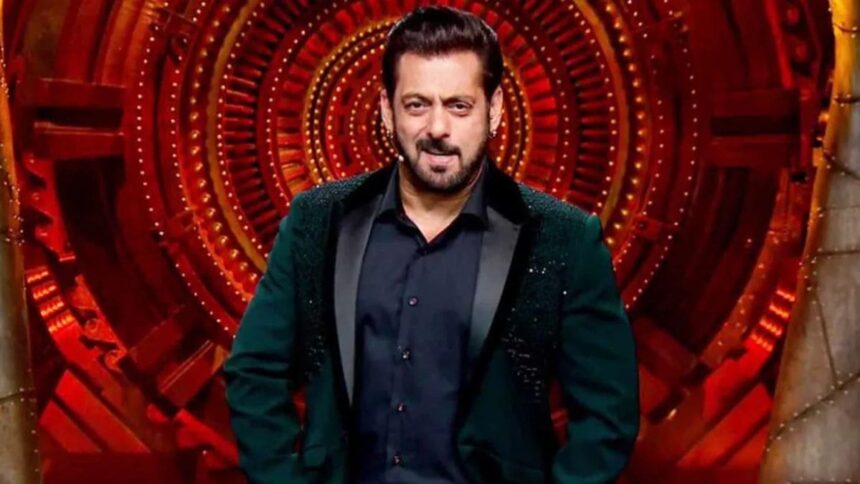
Bollywood superstar Salman Khan has been issued a notice by the Delhi High Court in a case concerning the protection of his personality rights against alleged misuse by a China-based artificial intelligence voice-generation platform. The development comes amid rising concerns over the emerging challenges posed by AI technologies in replicating public figures’ voices, images, and likeness without authorization. The High Court has directed the actor and the respondents to provide their responses within four weeks, signaling the judicial system’s increasing engagement with the legal complexities surrounding digital personality rights in the age of artificial intelligence. This case has attracted significant attention, not only because of Salman Khan’s celebrity status but also due to the broader implications it may have for celebrities, brands, and individuals seeking to safeguard their personal identity against AI-driven exploitation.
The notice arises from a petition filed by a China-based company specializing in AI voice-generation technology, which contends that the court’s interim order protecting Salman Khan’s personality rights needs to be reconsidered or quashed. The company is primarily engaged in creating sophisticated voice models that can replicate human speech patterns, including those of high-profile individuals. Such platforms can mimic a celebrity’s tone, cadence, and style, potentially generating commercial content or advertisements without the celebrity’s consent. The petitioner challenges the Delhi High Court’s December 11 interim order, which had barred any unauthorized use of Salman Khan’s voice, likeness, image, or other personal attributes in commercial contexts, arguing that it affects their operational and technological freedoms.
The Interim Order and Legal Framework Protecting Celebrity Personality Rights
Salman Khan initially approached the Delhi High Court seeking protection of his personality and publicity rights, emphasizing the importance of controlling the commercial use of his image, voice, and other identifying traits. These rights, often collectively referred to as personality rights, are intended to safeguard an individual’s identity and public persona from unauthorized exploitation, particularly in advertising, endorsements, and other commercial ventures. In his petition, Salman Khan highlighted that the unauthorized use of his likeness or voice by AI platforms could cause reputational damage, misrepresent his public image, and potentially mislead the public or fans regarding endorsements, statements, or other associations.
The interim order passed by the Delhi High Court on December 11 sought to prevent both identified and unidentified defendants, often referred to as John Does, from exploiting Salman Khan’s personal attributes. Justice Manmeet Pritam Singh Arora, presiding over the case, emphasized the importance of immediate judicial intervention to curb misuse in the digital space. The order instructed social media intermediaries to take swift action against any unauthorized content featuring Salman Khan, treating the complaint as a formal grievance under the Information Technology (Intermediaries Guidelines and Digital Media Ethics Code) Rules, 2021. This ensures that platforms hosting user-generated content or AI-generated material have a responsibility to act promptly to protect public figures’ rights, bridging traditional concepts of celebrity rights with contemporary digital accountability.
The case raises critical questions about how AI technologies intersect with legal protections for public figures. In recent years, AI-powered tools capable of replicating voices, images, and even behavioral traits have gained widespread commercial and social attention. While such innovations can offer valuable applications in media, entertainment, and communication, they also pose a significant risk of misuse. For instance, deepfake videos, AI-generated voiceovers, and other synthetic media can misrepresent celebrities, create false endorsements, or even propagate misinformation. By seeking judicial safeguards, Salman Khan is asserting the need for the legal system to adapt to these technological disruptions and establish robust mechanisms for protecting personality rights in the digital age.
The Broader Implications for AI, Digital Platforms, and Celebrity Rights
The notice issued by the Delhi High Court highlights the growing tension between emerging AI technologies and traditional legal frameworks. AI voice-generation platforms operate in a largely unregulated space, allowing them to replicate the voices of public figures without consent. This raises ethical and legal dilemmas, as unauthorized usage can infringe upon a celebrity’s commercial interests, personal brand, and public reputation. In Salman Khan’s case, the Delhi High Court’s intervention underscores the judiciary’s role in balancing technological innovation with the protection of individual rights, setting a precedent for future cases involving AI and personality rights.
Social media intermediaries have also been placed at the center of this dispute, as they are required to act as responsible gatekeepers for content hosted on their platforms. By instructing intermediaries to treat Salman Khan’s complaint as a formal grievance under the IT Rules of 2021, the court has made clear that digital platforms are accountable for monitoring and removing content that infringes upon the rights of public figures. This reflects a broader trend in digital law enforcement, wherein platforms must not only provide a space for user engagement but also actively prevent misuse of personal data, likeness, and identity. The ruling has implications for global digital platforms operating in India, signaling that compliance with local regulations is essential to avoid legal repercussions.
Experts note that the case also has significant commercial implications for the entertainment and advertising industries. Bollywood actors and other public figures rely heavily on their personal brand for endorsements, promotional activities, and various revenue streams. The unauthorized replication of a celebrity’s voice or image through AI platforms can dilute their commercial value, misrepresent their public persona, and potentially create legal liabilities for brands inadvertently associated with such content. By asserting legal control over his identity, Salman Khan is not only protecting his personal and commercial interests but also contributing to the broader discourse on ethical AI usage and digital rights management.
The ongoing case is also reflective of a global trend, as similar legal challenges have emerged in countries like the United States, the United Kingdom, and European Union member states. Celebrities and public figures increasingly find themselves confronting issues arising from AI-generated content, deepfakes, and synthetic media. These technologies, while innovative, require careful governance to prevent misuse and to ensure that personal and intellectual property rights are respected. The Delhi High Court’s notice can therefore be seen as part of a growing legal response aimed at establishing accountability frameworks for AI technologies, especially when they intersect with human identity and commercial interests.
The next hearing, scheduled for February 27, is expected to further explore the boundaries of personality rights in the context of AI and social media platforms. The petitioner, the China-based AI voice-generation platform, is likely to present arguments challenging the interim order, potentially emphasizing issues of technological freedom, innovation, and global operational standards. Conversely, Salman Khan’s legal team will focus on demonstrating the tangible risks posed by unauthorized voice replication, including reputational harm, commercial exploitation, and potential misuse by third parties. This legal tussle is poised to become a landmark case, potentially shaping jurisprudence related to AI, personality rights, and digital accountability in India.
Beyond the immediate legal considerations, the case also raises ethical and societal questions about the limits of technology in replicating human identity. As AI systems become increasingly sophisticated, the ability to convincingly reproduce a person’s voice, image, and mannerisms challenges traditional notions of consent and authorship. Courts and regulators worldwide are grappling with how to ensure that technological advancements do not override individual rights, while also maintaining space for innovation and creativity. In this context, the Delhi High Court’s engagement with Salman Khan’s petition represents a significant step toward defining how personality rights can be safeguarded in the AI era.
Salman Khan’s proactive approach to protecting his rights highlights the evolving responsibilities of public figures in managing their personal brand. While celebrities have historically focused on controlling the use of their image, signature, and public statements, the rise of AI introduces new dimensions of risk that require legal and technological vigilance. The case emphasizes that in the modern digital landscape, personality rights extend beyond traditional media into online platforms, synthetic content, and automated technologies. Legal frameworks must therefore evolve to address these emerging challenges, ensuring that individuals retain control over their identity, reputation, and commercial value.
The proceedings also underscore the importance of judicial oversight in a rapidly changing technological environment. By issuing the notice, the Delhi High Court is ensuring that both the plaintiff and the respondents engage in a structured legal dialogue, clarifying the scope of permissible use, the limitations of AI-generated content, and the responsibilities of digital intermediaries. Such oversight is critical in establishing a transparent and enforceable set of standards that protect individuals while accommodating legitimate technological applications. The case could serve as a reference point for future disputes involving AI technologies and personality rights, both in India and internationally.
While the February 27 hearing will provide further clarity on the case, the notice issued by the Delhi High Court marks an important development in the intersection of law, technology, and celebrity rights. Salman Khan’s petition emphasizes the growing need for legal systems to adapt to the challenges posed by AI, ensuring that personal identity and public persona are protected in an increasingly digital and automated world. The outcome of the case has the potential to influence policy, corporate practices, and the ethical deployment of AI technologies, underscoring the complex interplay between innovation and individual rights in the 21st century.