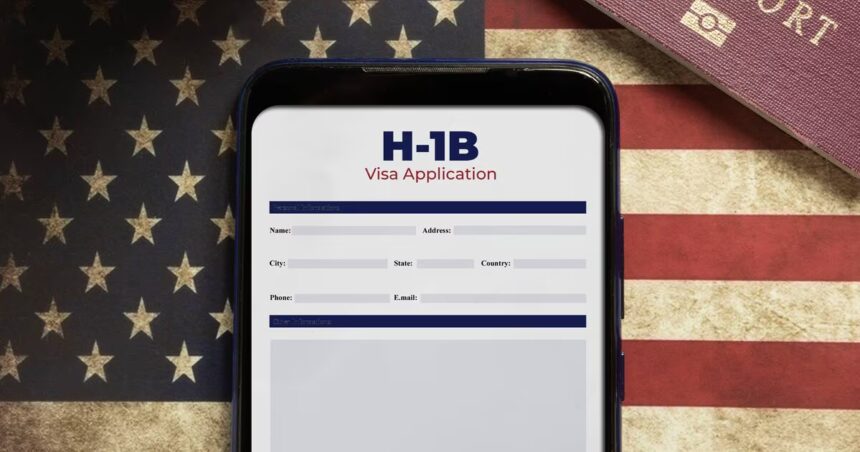
In recent news, H-1B visa holders are facing renewed uncertainty as the United States gears up for potential policy changes under the new administration. With President-elect Donald Trump set to take office on January 20, experts predict stricter immigration policies, sparking anxiety among Indian tech workers, many of whom have been advised to return to the U.S. before the deadline. This comes against the backdrop of an already challenging landscape for H-1B holders, marked by pandemic disruptions, changing rules, and fluctuating visa approval rates.
Let’s take a closer look at the key events and policy changes that have shaped the H-1B visa program over the last five years, from 2020 to 2025.
2020
March 18, 2020
COVID-19 Entry Suspension
President Trump suspended entry for H-1B visa holders, citing risks to the U.S. economy and public health during the early days of the pandemic.
June 22, 2020
Proclamation 10052 Issued
H-1B visa issuance halted until the end of 2020. It aimed to prioritize U.S. workers during economic recovery but faced criticism from businesses.
August 2020
H-1B Visa Denial Rate Falls
Due to successful lawsuits, denial rates for H-1B visas dropped as courts ruled against restrictive policies targeting visa holders.
October 6, 2020
DHS and DOL Interim Final Rules
Rules tightened the eligibility for H-1B visas, imposing stricter educational requirements and significantly increasing wage levels for applicants.
December 31, 2020
Proclamation 10052 Extended
The restrictions on new H-1B visas were extended to March 2021, sparking concerns over its impact on businesses relying on foreign workers.
2021
January 20, 2021
Proclamation Revoked by Biden
President Biden revoked the H-1B restrictions, signaling a shift in immigration policy and renewing hope for foreign workers and employers.
March 9, 2021
H-1B Lottery Rule Delayed
The Biden administration postponed implementing wage-based lottery selection, retaining the random selection process for FY 2022 petitions.
June 2021
H-1B Cap Reached for FY 2022
USCIS announced that it had received enough H-1B petitions to meet the annual limit, marking high demand despite the pandemic.
October 2021
Interview Waiver Program Expanded
Visa applicants could renew without an in-person interview if their previous visa expired within 48 months, reducing delays during the pandemic.
2022
March 2022
Second Lottery for FY 2022
A second round of the H-1B lottery filled unused cap slots, providing opportunities for additional qualified registrants.
June 2022
H-1B Visa Holder Relief Bill Proposed
Legislation sought to protect H-1B dependents from “aging out” and provide automatic work authorization for their spouses.
October 2022
H-1B Visa Holders Face Backlogs
Processing delays led to uncertainty for workers and employers, with petitions taking months longer than usual to process.
2023
March 2023
Electronic Registration Continues
USCIS continued using the online registration system for H-1B petitions, ensuring a streamlined process and reducing administrative burdens.
June 2023
Backlog Reduction Measures Introduced
USCIS launched initiatives to expedite processing times for pending H-1B petitions, addressing widespread delays and employer concerns.
October 2023
Advanced Degree Cap Usage Increases
Priority was increasingly given to applicants with U.S.-earned advanced degrees to support the domestic educational system.
December 2023
Proposed Modernization Rule Announced
DHS introduced reforms to streamline the H-1B visa process, enhance integrity, and improve efficiency in handling applications.
2024
March 2024
Registration System Changes
Stricter registration rules reduced duplicate entries for the H-1B lottery, addressing concerns over abuse and ensuring fairness.
June 2024
FY 2025 Cap Reached Quickly
H-1B registration numbers soared, reflecting the continued demand for skilled foreign workers across U.S. industries.
September 2024
H-1B Filing Fee Increase
The fee for electronic registration increased to $215 per beneficiary, sparking criticism from employers over rising costs.
December 2024
Modernization Rule Finalized
DHS finalized reforms, including cap-gap extensions and updates to the specialty occupation criteria, effective January 2025.
2025
January 17, 2025
Modernization Rule Takes Effect
New regulations improved fraud detection, updated definitions for specialty occupations, and streamlined the application process for H-1B visas.
January 20, 2025
Policy Changes Anticipated
With Donald Trump re-entering the White House, concerns grew over potential restrictions on legal immigration, including the H-1B program.