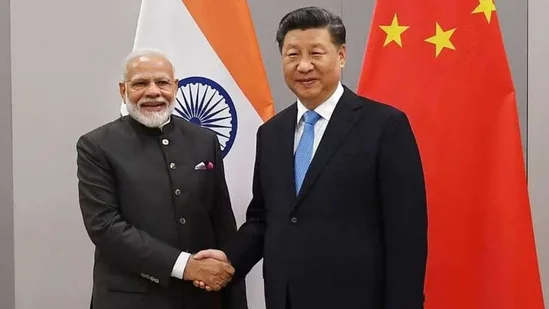
The diplomatic and economic landscape of Asia is witnessing a notable shift as China has expressed firm support for India amid the United States’ escalating trade measures under the Donald Trump administration. In recent remarks, Chinese ambassador to India, Xu Feihong, publicly criticized the United States, likening it to a “bully” in the international trade arena and asserting that Beijing will stand by New Delhi to uphold the principles of the multilateral trading system. This declaration comes at a time when Washington has imposed, or threatened to impose, tariffs of up to 50 percent on Indian goods, particularly in the wake of India’s increasing energy imports from Russia. The statement underscores the growing alignment between China and India in response to shared concerns about protectionist measures and signals a potential recalibration of regional economic partnerships amid ongoing tensions with the US.
China Backs India Against Donald Trump Administration Tariffs
Chinese ambassador Xu Feihong’s remarks mark a significant moment in India-China relations, which have historically oscillated between rivalry and cautious cooperation. Speaking ahead of the upcoming Shanghai Cooperation Organisation (SCO) Summit in Tianjin, which Prime Minister Narendra Modi is expected to attend, Xu emphasized that China will continue to support India in defending the multilateral trading system, centered around the World Trade Organization (WTO). “The United States has imposed tariffs of up to 50 per cent on India, and it has even threatened for more. China firmly opposes this,” Xu said. His comments reflected both concern over unilateral trade measures and the broader principle of resisting coercive economic tactics in global trade.
The ambassador’s description of the United States as a “bully” was more than rhetorical. Xu criticized the Donald Trump administration for using tariffs as leverage to extract what he described as “exorbitant prices” from countries engaged in legitimate trade. “In the face of such acts, silence or compromise only emboldens the bully,” Xu warned, underlining the importance of joint action among nations of the Global South. By framing the issue in this manner, China positioned itself as a counterbalance to perceived US economic coercion, signaling to India and other emerging economies that it supports fair trade practices while opposing protectionist aggression.
This development coincides with broader attempts by Beijing and New Delhi to recalibrate bilateral relations. Chinese Foreign Minister Wang Yi’s recent visit to India—the first in three years—focused on exploring ways to manage border disputes and enhance economic and strategic cooperation. The meeting highlighted mutual interest in stabilizing relations and navigating the increasingly complex geopolitical environment shaped by US trade actions. During these discussions, both nations stressed the need to provide certainty for global markets, particularly in sectors impacted by the Donald Trump administration’s tariff threats.
The US tariff policy, particularly the threats of a 50 percent duty on Indian goods, stems in part from India’s growing trade surplus with the United States and its continued imports of Russian crude oil. Washington has argued that these imports indirectly support Russia’s military actions in Ukraine, while New Delhi maintains its right to secure energy at reasonable prices to sustain domestic growth. Xu’s remarks highlighted China’s rejection of using tariffs as a bargaining tool, framing the practice as unfair and counterproductive.
Strengthening India-China Ties Amid Global Trade Tensions
China’s support for India goes beyond rhetorical backing. Xu Feihong has actively engaged with the global discourse, emphasizing that countries of the Global South are closely monitoring how Asian powers like China and India could collaborate to mitigate economic pressures from dominant Western economies. He highlighted that joint efforts by Beijing and New Delhi could provide leadership in helping developing countries navigate challenges arising from protectionist policies, high trade barriers, and market uncertainty.
The ambassador’s reference to US policies as “bullying” was complemented by concrete diplomatic actions. Xu posted on social media platform X, reiterating China’s position and emphasizing the importance of international solidarity against coercive trade practices. His statements were supplemented by prior communications from Wang Yi, who during a meeting with Indian External Affairs Minister S. Jaishankar, also referenced the “overwhelming bullying” facing both nations and the need to expand cooperation in response. These interactions underscore a deliberate strategy by China to signal its alignment with India on trade issues, while simultaneously advocating for stability and predictability in global economic relations.
This alignment gains additional significance against the backdrop of the SCO Summit and other multilateral engagements. As regional leaders prepare to meet and discuss security, trade, and economic cooperation, China’s open support for India signals that both countries are willing to collaborate in asserting their positions within international trade forums. This cooperation may include advocating for reforms in global trade norms, protecting the interests of emerging economies, and resisting unilateral punitive measures imposed by dominant powers.
Moreover, Xu’s remarks touched upon the principle of fairness in global commerce, warning that concessions to bullying tactics could have long-term negative effects. “Give the bully an inch, he will take a mile,” Xu commented, cautioning against acquiescence to coercive economic strategies. This reflects a broader concern in Beijing about the ripple effects of US protectionist policies, not only for India but for global trade stability. By framing the conversation in terms of defending multilateralism, China presents itself as a partner that respects international law, trade agreements, and the autonomy of sovereign nations.
India-China engagement, however, is not solely economic. The two neighbors are exploring solutions to longstanding border disputes while simultaneously pursuing avenues for economic and strategic collaboration. These parallel efforts demonstrate an intent to compartmentalize challenges and maintain momentum in areas of mutual interest. The convergence on trade policy, particularly in resisting unilateral tariffs, exemplifies how bilateral cooperation can extend into global governance and trade advocacy.
Chinese support also sends a broader geopolitical signal. It reflects an understanding that protectionist policies and unilateral measures by the United States may destabilize global markets, creating opportunities for China and India to assert leadership roles in shaping a more equitable trade environment. By publicly aligning with India, China positions itself as a defender of emerging economies, championing multilateral frameworks and promoting stability in global commerce.
The Donald Trump administration’s threats of escalating tariffs—first 25 percent and now potentially 50 percent—have intensified the urgency of such alignment. For India, having China as a vocal supporter not only provides diplomatic backing but also strengthens its negotiating position in international trade and energy procurement discussions. It also reassures Indian stakeholders that strategic partnerships in Asia can offer counterbalance against coercive external pressures.
At the same time, these developments highlight the changing dynamics of global trade relations. The traditional reliance on Western-led institutions is being complemented by new coalitions and cooperative efforts among Asian powers, emphasizing the growing influence of China and India in shaping economic norms. By framing the issue around fairness, multilateralism, and mutual support, China is sending a clear message to both domestic and international audiences about its role in safeguarding the interests of emerging economies.
The timing of Xu Feihong’s statements is also noteworthy. Coming shortly after the imposition of additional tariffs by the United States and just ahead of multilateral summits, the remarks signal both readiness and assertiveness. They are designed to communicate to Washington that coercive tactics will not go unchallenged and that India has powerful allies in navigating the global trading system. This serves as both a diplomatic reassurance to New Delhi and a strategic message to the international community about the evolving balance of power in trade relations.
In addition, China’s public support emphasizes the importance of solidarity in global governance. By highlighting the concerns of the Global South, Xu frames trade tensions not as bilateral disputes but as challenges affecting a broader coalition of nations. This approach reinforces China and India’s roles as leaders capable of advocating for equitable solutions and demonstrates a shared commitment to defending the autonomy and interests of developing countries.
India-China collaboration, particularly in the context of countering US tariffs, could have lasting implications for regional economic architecture. The alignment signals an intention to resist coercive trade practices while simultaneously fostering innovation, investment, and economic growth in Asia. Such cooperation may also influence global perceptions of trade fairness and encourage other nations to adopt policies that prioritize multilateralism and mutual benefit over unilateralism.
By publicly opposing Donald Trump’s tariffs and committing to support India, China has positioned itself as a partner willing to defend principles of fairness, negotiation, and multilateral trade governance. The remarks by Xu Feihong, together with recent diplomatic engagements between Wang Yi and S. Jaishankar, indicate a maturing approach to India-China relations—one that balances strategic pragmatism with principled advocacy on global trade issues.
These developments also demonstrate the increasing interdependence of Asia’s major economies in shaping global norms. With both China and India taking a stand on tariffs, the traditional dominance of Western-led trade policy is being challenged, potentially reshaping negotiations in multilateral forums like the WTO, SCO, and other regional economic platforms. This represents not only a strategic partnership but also a normative influence, whereby regional powers seek to establish standards that reflect their economic realities and development priorities.
The public nature of Xu Feihong’s statements, especially his criticism of the US as a “bully,” reflects a calculated approach in modern diplomacy. It combines direct messaging with a broader narrative of fairness, multilateralism, and emerging powers’ solidarity. By linking these messages to multilateral forums and regional summits, China ensures that the discourse resonates with both international audiences and domestic stakeholders in India and China alike.
As global trade tensions continue to rise, the coordinated diplomatic messaging from Beijing and New Delhi could serve as a blueprint for other nations seeking to navigate complex economic pressures. It illustrates the importance of partnerships, shared principles, and strategic communication in protecting national interests while engaging with powerful global actors. The support expressed by China for India during this period underscores the significance of alliances in mitigating the impact of unilateral trade measures and reinforces the potential for Asia to emerge as a center of economic leadership and multilateral advocacy.