Tensions between India and Pakistan have escalated following the deadly terror attack in Pahalgam, Kashmir, on April 22, which resulted in the deaths of 26 individuals, including two foreign nationals. In retaliation, India has taken a series of measures, including suspending the Indus Waters Treaty and revoking visas for Pakistani nationals. In the midst of these developments, reports have emerged about China’s delivery of advanced PL-15 air-to-air missiles to Pakistan. What does this mean for India? Here’s a closer look.
China’s Delivery of PL-15 Missiles to Pakistan
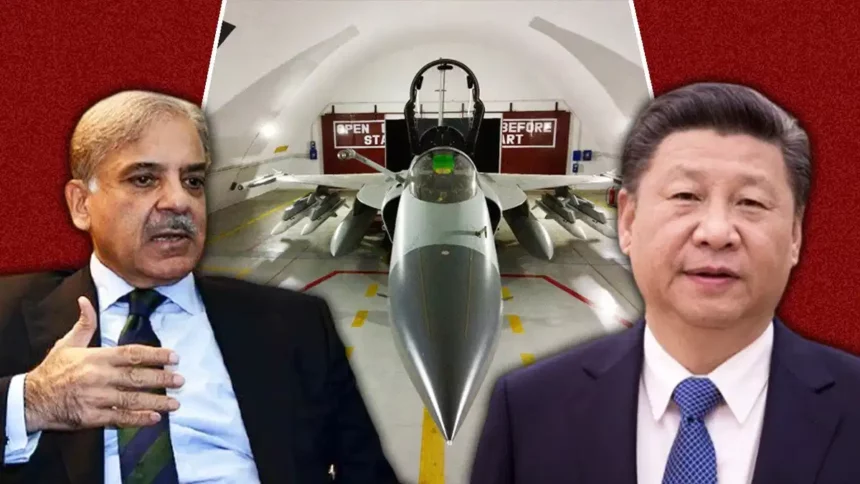
Recent reports indicate that the Pakistan Air Force (PAF) has received a delivery of China’s PL-15 missiles, mounted on the JF-17 Block III fighter jets. The PL-15 missiles are beyond visual range (BVR) air-to-air weapons, known for their long operational range and advanced radar guidance systems. These missiles were delivered directly from China’s People’s Liberation Army Air Force (PLAAF) to Pakistan, signaling a strategic move amidst rising tensions between India and Pakistan.
The PL-15 is an advanced missile that uses active radar guidance and can engage targets at a range of 200-300 kilometers, traveling at speeds of Mach 5. These missiles are considered a serious threat to India’s air defense capabilities, as they can be fired from long distances, making them hard to intercept. The missile’s capabilities are on par with Western systems such as the U.S. AIM-120D AMRAAM and the European MBDA Meteor missile.
Pakistan’s air force can now use the PL-15 missiles to enhance its offensive capabilities in the event of military escalation with India. This delivery strengthens Pakistan’s air combat capabilities, particularly against modern air threats, and could tip the balance in a potential air conflict.
The delivery of PL-15 missiles to Pakistan is part of China’s broader strategy to deepen its military ties with Pakistan. The missile system’s integration into Pakistan’s JF-17 fighter jets enhances the country’s ability to engage targets over long distances and adds a layer of strategic weight to Pakistan’s military posture. This new capability may complicate India’s defense planning, especially in the event of military escalation following the Pahalgam terror attack.
The missile’s long-range capability presents a direct threat to Indian aircraft, especially when engaging targets at extended distances, making it more difficult for India to respond effectively without risking significant losses. With the growing defense cooperation between China and Pakistan, India could be facing an increasingly complex security challenge in its immediate neighborhood.
Rising Tensions Between India and Pakistan
Following the Pahalgam terror attack, the relations between India and Pakistan have taken a sharp turn. India has accused Pakistan of continuing to support cross-border terrorism and has responded with punitive measures, including suspending the Indus Waters Treaty and revoking Pakistani visas. Pakistan’s political leadership has issued several threats, including the possibility of all-out war in response to India’s actions.
Amidst this, there have been reports of unprovoked firing from Pakistani troops along the Line of Control (LoC), further escalating the tensions. India’s response to these provocations includes test-firing long-range missiles, signaling its readiness for military action if necessary.
While there is a heightened risk of military conflict, most analysts believe that a full-scale war between India and Pakistan is unlikely. The possibility of limited military actions, such as targeted strikes on terrorist camps in Pakistan-administered Kashmir, remains high. India’s approach is likely to focus on counterterrorism operations rather than engaging in an all-out war.
The Strategic Role of the PL-15 Missiles in Pakistan’s Military Strategy
The integration of PL-15 missiles into Pakistan’s air force gives the country a considerable advantage in any potential aerial confrontation with India. The missile’s long range and advanced guidance systems make it a formidable weapon against Indian fighter jets, which would now have to contend with threats from greater distances.
With these new missile systems, Pakistan’s ability to launch preemptive strikes or defend its airspace has been significantly enhanced. The long-range capability of the PL-15s, coupled with the country’s growing partnership with China, signals a shift in the military balance in the region.
This development is concerning for India, as it now faces a more capable adversary with advanced air-to-air missile technology that could alter the dynamics of any future conflict in the region. The geopolitical implications of these enhanced military capabilities will likely force India to reassess its defense strategies and invest in countermeasures to neutralize the threat posed by the PL-15 missiles.
Global Reactions and Diplomatic Efforts
While tensions between India and Pakistan continue to escalate, the international community has called for restraint from both sides. The United States, in particular, has urged both nations to work towards a peaceful resolution, emphasizing the need for dialogue and de-escalation.
In the meantime, the situation remains fluid, with both countries preparing for a potential conflict. The growing military capabilities of Pakistan, aided by China’s support, are adding new dimensions to the regional security situation. India, on the other hand, is likely to focus on strengthening its defense posture, particularly in the air domain, to counter the growing threat posed by advanced missile systems like the PL-15.
The delivery of PL-15 missiles to Pakistan is a significant development that could alter the strategic balance in the region. With the missile’s long range and advanced radar systems, Pakistan’s military capabilities are now more robust, presenting a direct challenge to India’s air defense infrastructure. As tensions rise following the Pahalgam terror attack, the situation remains precarious, with both sides preparing for potential conflict. India must now focus on strengthening its defense capabilities to counter the growing threat posed by Pakistan’s advanced missile systems and maintain its strategic edge in the region.