Bangladesh is seeking to rebuild sports ties with India at a delicate moment marked by diplomatic strain, political transition, and cricketing uncertainty. Newly appointed State Minister for Youth and Sports Aminul Haque has publicly acknowledged recent complications that prevented Bangladesh from participating in the ongoing T20 World Cup, signaling a desire to restore cordial relations with New Delhi and reopen dialogue between the Bangladesh Cricket Board and the Board of Control for Cricket in India. His remarks come as the country adjusts to a new political order following the July 2024 student movement and subsequent elections that brought the Bangladesh Nationalist Party to power.
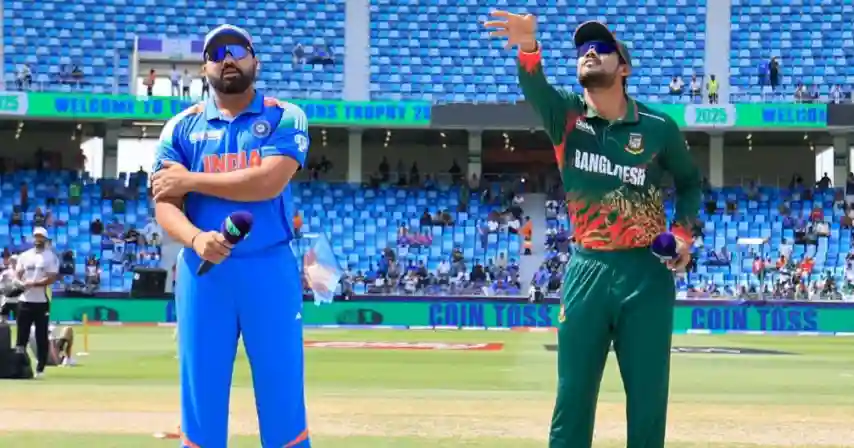
The minister’s statements underscore how closely intertwined sports and diplomacy have become between Dhaka and New Delhi. Cricket, in particular, has long served as both a competitive arena and a diplomatic bridge between the two neighbors. Bangladesh’s absence from the current T20 World Cup, after the interim government led by Muhammad Yunus opted not to send the national team citing security concerns, intensified speculation about cooling bilateral ties. The decision resulted in Bangladesh being replaced by Scotland in the global tournament, an outcome that surprised fans and raised questions about the broader geopolitical backdrop shaping sporting decisions.
Aminul Haque revealed that he had discussed the T20 World Cup issue directly with India’s Deputy High Commissioner shortly after taking his oath of office. According to him, the exchange was friendly, candid, and oriented toward resolution. He emphasized that Bangladesh wishes to maintain warm relations with all neighboring countries and to build sincere and cordial connections not only in sports but across multiple sectors. The tone of his remarks suggests an attempt to de-escalate tensions and restore a cooperative framework that had previously defined India–Bangladesh cricket relations.
Observers have linked the recent strain in ties to political shifts within Bangladesh. The July 2024 student movement led to the removal of the Awami League government, ushering in an interim administration and eventually a general election in which the Bangladesh Nationalist Party secured a majority. The transition introduced uncertainty into foreign policy orientation, particularly toward India, which had maintained close engagement with previous leadership. With the new government consolidating authority, expectations have grown that unresolved diplomatic matters, including those influencing sports cooperation, will be addressed more proactively.
Aminul candidly admitted that diplomatic complications played a decisive role in Bangladesh’s absence from the T20 World Cup. He noted that had discussions occurred earlier and been settled in time, the national team might have participated in the tournament. This acknowledgment brings into focus the degree to which international sporting events can become collateral in broader geopolitical disagreements. The World Cup episode not only disappointed supporters at home but also signaled to the international cricket community that administrative and diplomatic disruptions can directly affect tournament participation.
Cricket diplomacy and diplomatic recalibration
The concept of cricket diplomacy has long been embedded in South Asian politics, with matches often acting as platforms for dialogue when formal channels grow tense. For Bangladesh and India, bilateral cricket series have typically reflected healthy rivalry combined with mutual respect. The Bangladesh Cricket Board and the Board of Control for Cricket in India have collaborated on tours, tournaments, and scheduling under the framework regulated by the International Cricket Council. Any interruption in this relationship resonates beyond sports, influencing public sentiment and perceptions of bilateral trust.
Aminul’s outreach to India’s Deputy High Commissioner appears to be an early attempt at diplomatic recalibration through sports engagement. By framing the issue as one requiring discussion and mutual understanding rather than confrontation, he positioned cricket as a potential avenue for rebuilding confidence. His insistence on friendly relations with neighboring countries signals continuity in the broader strategic objective of maintaining regional stability, even as domestic politics undergo transformation.
At the same time, his comments about the Bangladesh Cricket Board’s previous election introduced another layer of complexity. He described the election process as questionable and indicated that discussions would be held within the legal framework governed by the International Cricket Council. While he stopped short of alleging specific irregularities, his statement implies potential scrutiny or reform of cricket administration. Any changes to the board’s structure or legitimacy could carry implications for its recognition and relationships internationally, particularly with influential cricketing bodies such as India’s board.
The minister emphasized that reforms cannot be implemented overnight. Long-standing institutional practices require time, consensus, and cooperation to change. He called for collective support and underscored his intention to ensure that sports are not politicized or reduced to partisan platforms. This pledge is significant in a context where cricketing figures, administrators, and even players have often been perceived as aligned with particular political currents. Depoliticization, if realized, could help restore credibility and reduce friction both domestically and abroad.
Political transition and the uncertain futures of cricket icons
Beyond institutional and diplomatic matters, Aminul also addressed the status of two of Bangladesh’s most celebrated cricketers, Shakib Al Hasan and Mashrafe Mortaza. Both were associated with the previous government and are currently facing legal cases following its fall. Their absence from the national setup and potential constraints on their return have added an emotional and symbolic dimension to the broader sporting reset.
The minister characterized decisions regarding Shakib and Mashrafe as state-level matters. He acknowledged their legendary contributions to Bangladesh cricket and expressed a desire for them to return to the country as soon as possible. However, he made clear that existing cases would need to be addressed through appropriate legal and governmental processes. This stance reflects the delicate balance between honoring sporting achievements and adhering to the rule of law during a period of political reckoning.
The uncertainty surrounding these figures mirrors the larger transitional landscape within Bangladesh. As institutions realign and policies are reassessed, the sports sector finds itself at a crossroads. Rebuilding sports ties with India thus involves not only diplomatic engagement but also administrative reform and the management of symbolic narratives tied to prominent personalities. Cricket remains deeply woven into national identity, making any perceived politicization or exclusion of icons especially sensitive.
The ongoing T20 World Cup, from which Bangladesh is absent, continues to unfold without one of its regular participants. The sight of Scotland stepping in for Bangladesh has served as a reminder of how quickly dynamics can shift in international sport. For many supporters, the hope now rests on renewed dialogue and normalization, allowing Bangladesh to reassert its presence in global tournaments without the shadow of diplomatic complications.
As the new government settles into office, the emphasis on rebuilding sports ties with India may serve as both a diplomatic test case and a broader indicator of foreign policy direction. Cricket diplomacy has the potential to soften political edges, generate goodwill, and open channels that extend beyond the boundary lines of stadiums. Whether this initiative will translate into concrete scheduling commitments, bilateral series, and restored trust between cricket boards remains to be seen, but the articulation of intent marks a notable first step in recalibrating relations during a transformative period in Bangladesh’s political history.