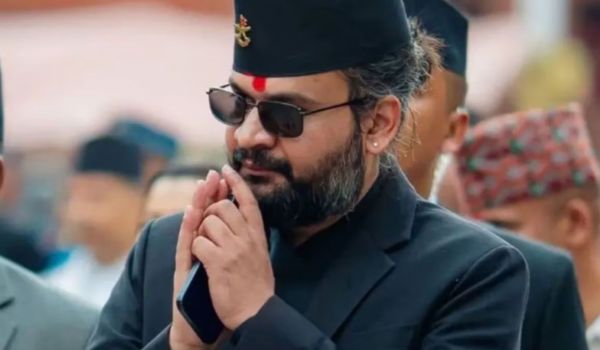
Balendra Shah set to become Nepal’s youngest prime minister as RSP secures landslide victory, marking major political shift after recent protests.
Nepal is set to witness a historic political moment as Balendra Shah prepares to take oath as the country’s Prime Minister today. The swearing-in ceremony will take place at the President’s Office in Sheetal Niwas, Kathmandu, marking a significant transition in Nepal’s political landscape following a decisive electoral victory by the Rastriya Swatantra Party.
The 35-year-old leader, popularly known as Balen, will become the youngest elected prime minister of Nepal and the first from the Madhes region to hold the country’s top executive position. His rise reflects a broader shift in voter sentiment, driven by demands for generational change and a more transparent political system.
Landslide Victory Signals Political Transformation
Balendra Shah’s appointment comes after his party secured a commanding majority in the recent parliamentary elections. The Rastriya Swatantra Party won 182 out of 275 seats in the House of Representatives, a result that significantly weakened traditional political forces.
The election outcome is being viewed as a turning point in Nepal’s democratic journey. It follows a period of political unrest, including youth-led protests demanding accountability, transparency, and systemic reforms. These movements, often associated with younger generations, played a key role in shaping public opinion and influencing electoral outcomes.
Shah’s leadership represents the aspirations of a new generation of voters who are seeking alternatives to established political structures. His victory indicates a strong mandate for change, with expectations of governance focused on anti-corruption measures and efficient administration.
The composition of the House of Representatives, with members elected through both direct and proportional systems, further highlights the scale of the party’s success. Winning a majority in such a system underscores widespread support across different segments of the electorate.
From Rapper to Prime Minister: A Unique Political Journey
Balendra Shah’s rise to power is notable not only for its speed but also for its unconventional nature. Before entering politics, he was widely known as a rapper and cultural figure, gaining popularity among youth audiences.
His transition into politics began with his election as the mayor of Kathmandu, where he gained recognition for his administrative approach and focus on governance reforms. His performance in that role helped build credibility and paved the way for his national political ambitions.
Shah’s journey reflects a broader trend of non-traditional leaders entering politics, leveraging public trust and grassroots support. His ability to connect with younger voters and address their concerns has been a defining feature of his political success.
His victory over seasoned leaders, including former Prime Minister K P Sharma Oli, further underscores the scale of change in Nepal’s political landscape. Defeating an established figure in a stronghold constituency highlights the shifting dynamics and evolving voter priorities.
New Government, New Expectations
As Balendra Shah prepares to assume office, expectations are high regarding the direction of the new government. His campaign emphasised transparency, accountability, and economic development, areas that are likely to remain central to his administration.
The focus is expected to be on addressing corruption, improving public services, and strengthening institutional frameworks. Given the strong mandate, the government has the opportunity to implement significant reforms and set a new course for the country.
At the same time, challenges remain. Managing a large parliamentary majority, ensuring effective governance, and meeting public expectations will require careful planning and execution. The transition from campaign promises to policy implementation will be closely watched.
The international community is also expected to observe the developments, as Nepal’s political stability plays a role in regional dynamics. Shah’s leadership style and policy priorities could influence the country’s engagement with global partners.
Significance for Nepal’s Political Future
Balendra Shah’s elevation to the prime minister’s office represents more than a change in leadership. It signals a broader transformation in Nepal’s political system, driven by public demand for reform and accountability.
The emergence of a new political force challenges traditional power structures and introduces fresh perspectives into governance. This shift could have long-term implications for how politics is conducted in the country.
For many citizens, Shah’s leadership symbolises hope for a more responsive and transparent government. However, the success of this transition will depend on the administration’s ability to deliver tangible results.
The swearing-in of Balendra Shah as Nepal’s Prime Minister marks a historic milestone, reflecting a decisive shift in the country’s political landscape. With a strong mandate and high public expectations, his leadership will play a crucial role in shaping Nepal’s future.
As the new government takes charge, the focus will remain on governance, reforms, and fulfilling the aspirations of a changing electorate. The coming months will be critical in determining the success of this political transformation.