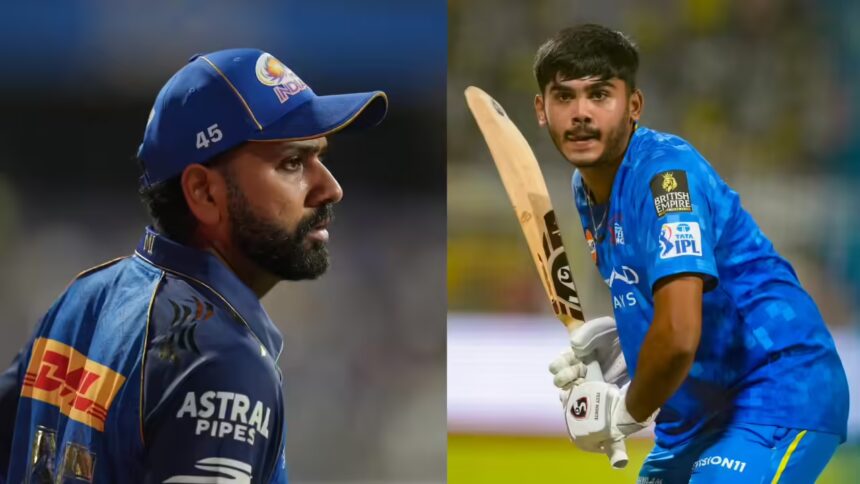
For young cricketers, moments of inspiration often come from afar—watching their idols perform on television, studying their techniques, and imagining what it would be like to one day stand beside them. For Ayush Mhatre, that dream turned into reality when he finally met his idol, Rohit Sharma. What followed was not just a brief interaction but a deeply personal and memorable experience that the young India U-19 captain now describes as a “dream day,” one that could leave a lasting imprint on his cricketing journey.
Mhatre’s admiration for Rohit Sharma has never been a secret. Like countless aspiring cricketers across India, he has looked up to the Mumbai Indians legend as a role model, drawing inspiration from his calm demeanor, elegant batting style, and leadership qualities. However, what sets this story apart is not just the admiration itself, but the way it evolved into a meaningful connection—one that highlights the importance of mentorship and accessibility in modern cricket.
From a Simple Message to a Life-Changing Interaction
The story of the Ayush Mhatre Rohit Sharma meeting began with a simple yet heartfelt gesture. As Ayush Mhatre prepared for an important tour of England, he felt the need to seek guidance from someone he deeply respected. Instead of letting hesitation hold him back, he decided to reach out directly to Rohit Sharma with a message, expressing his desire to meet and learn from him.
What happened next took him by surprise. Rather than a delayed or formal response, Rohit Sharma personally called him, immediately bridging the gap between a young aspirant and an established international star. The conversation that followed was simple yet profound, reflecting Rohit’s approachable nature and willingness to support emerging talent.
When Rohit asked where Mhatre lived and learned that he would have to travel from Virar, he initially suggested a video call as a more convenient option. But for Mhatre, this was an opportunity he did not want to experience through a screen. He expressed his wish to meet in person, emphasizing how much it meant to him. Recognizing the sincerity and determination in the young cricketer’s request, Rohit extended an invitation to his home.
This decision transformed what could have been a routine interaction into a deeply personal experience. Mhatre traveled the distance, driven by a sense of excitement and anticipation that only someone meeting their idol can truly understand. The meeting itself lasted for nearly two hours, a detail that continues to resonate strongly with him.
For a young player at the beginning of his career, spending such an extended period with a cricketer of Rohit Sharma’s stature is invaluable. It provided not just technical insights but also a glimpse into the mindset, discipline, and approach required to succeed at the highest level. More importantly, it reinforced the idea that even the biggest stars remain connected to the grassroots of the game.
A Bond Beyond Admiration: Mentorship, Humility, and Lasting Impact
The Ayush Mhatre Rohit Sharma meeting is not an isolated incident but part of a growing narrative that underscores Rohit Sharma’s role as a mentor within Indian cricket. Known for his composed leadership and ability to nurture young talent, Rohit has often been praised for creating an environment where emerging players feel supported and valued.
For Ayush Mhatre, this meeting carried an emotional significance that went beyond cricketing advice. He described the experience as surreal, noting how quickly time passed during their conversation. The fact that his idol dedicated so much time to him left a profound impression, reinforcing his respect and admiration.
This was not the first time Rohit Sharma had shown his support for Mhatre. Their connection had already begun to take shape earlier, when Rohit gifted him a bat ahead of an England tour. Such gestures, though seemingly small, play a crucial role in boosting the confidence of young players. They serve as a reminder that their efforts are being noticed and appreciated by those they look up to.
Mhatre’s journey also reflects the competitive nature of Indian domestic cricket. At one point, he had to make way for Rohit Sharma in a Ranji Trophy match, a moment that could have been disheartening. Instead, he chose to channel his emotions into an expression of admiration, writing an emotional note that highlighted his respect for the senior player. This attitude speaks volumes about his character and maturity, qualities that are essential for long-term success in the sport.
The meeting with Rohit Sharma has the potential to shape Mhatre’s future in multiple ways. Beyond technical guidance, it offers him a template for professionalism, humility, and resilience. Observing how a player of Rohit’s caliber conducts himself—both on and off the field—can provide lessons that no coaching manual can fully capture.
In a broader context, this story highlights the evolving culture within Indian cricket, where established players are increasingly taking on mentorship roles. This shift is crucial for sustaining the pipeline of talent and ensuring that young cricketers are equipped not just with skills but also with the right mindset.
For fans, stories like these serve as a reminder of the human side of the sport. Behind the records and achievements are moments of connection, generosity, and inspiration that define the spirit of cricket. The Ayush Mhatre Rohit Sharma meeting encapsulates this spirit, offering a glimpse into how dreams are nurtured and realized.
As Ayush Mhatre continues his journey, the memory of this “dream day” is likely to remain a source of motivation. It stands as a testament to the power of reaching out, the importance of mentorship, and the impact that a single act of kindness can have on a young athlete’s life.