
• English
  • Hindi
  • Punjabi
  • Marathi
  • German
  • Gujarati
  • Urdu
  • Telugu
  • Bengali
  • Kannada
  • Odia
  • Assamese
  • Nepali
  • Spanish
  • French
  • Japanese
  • Arabic
  • Home
  • Noida
  • National
    • BulletsIn
    • cliQ Explainer
    • Government Policy
    • New India
  • International
    • Middle East
    • Foreign
  • Entertainment
  • Business
    • Tender News
  • Sports
    • IPL2025
  • Services
    • Lifestyle
    • How To
    • Spiritual
      • Festival and Culture
    • Tech
Notification
  • Home
  • Noida
  • National
    • BulletsIn
    • cliQ Explainer
    • Government Policy
    • New India
  • International
    • Middle East
    • Foreign
  • Entertainment
  • Business
    • Tender News
  • Sports
    • IPL2025
  • Services
    • Lifestyle
    • How To
    • Spiritual
      • Festival and Culture
    • Tech
  • Home
  • Noida
  • National
    • BulletsIn
    • cliQ Explainer
    • Government Policy
    • New India
  • International
    • Middle East
    • Foreign
  • Entertainment
  • Business
    • Tender News
  • Sports
    • IPL2025
  • Services
    • Lifestyle
    • How To
    • Spiritual
      • Festival and Culture
    • Tech
  • Noida
  • National
  • International
  • Entertainment
  • Business
  • Sports
CliQ INDIA > Education > Amphibians bounce-back from Earth's greatest mass extinction: Study
Education

Amphibians bounce-back from Earth's greatest mass extinction: Study

cliQ India
cliQ India
Share
4 Min Read
SHARE

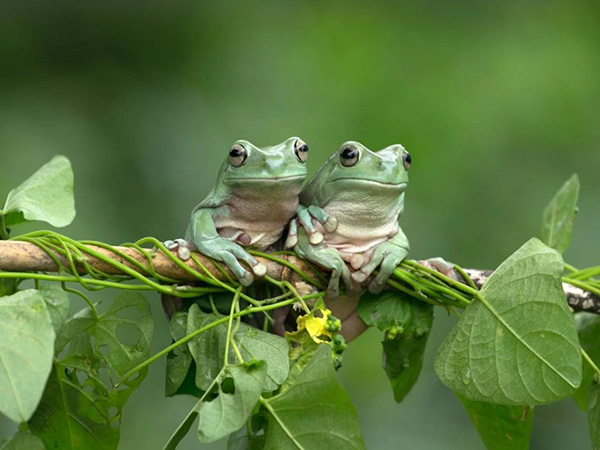
England [UK], March 5 (ANI): Researchers at the University of Bristol discovered that ancient frog ancestors survived the biggest mass extinction of species by eating on freshwater prey that evaded terrestrial predators.

The study suggests the amphibians’ success lay in their generalist feeding ecology, which enabled them to feed on a wide variety of prey despite the array of environmental changes happening all around them through the Triassic.

Broader examination of Triassic ecosystems also indicates that the freshwater habitats they preferred provided them with a relatively stable variety of food resources, allowing them to thrive while strictly terrestrial predators made do with meagre, unstable resource availability on land.

The end-Permian mass extinction event, 252 million years ago, was the largest ever, marked by the loss of as many as 90% of species. A key line of research has been to focus on the survivors and their fate in the Triassic, the timespan that followed the Permian.

“One of the great mysteries has been the survival and flourishing of a major group of amphibians called the temnospondyls,” explained lead author Aamir Mehmood from Bristol’s School of Biological Sciences. “These were predatory animals that fed on fishes and other prey, but were primarily linked to the water, just like modern amphibians such as frogs and salamanders. We know that climates then were hot, and especially so after the extinction event. How could these water-loving animals have been so successful?”

The Early Triassic was a time of repeated volcanic activity leading to long phases of global warming, aridification, reductions in atmospheric oxygen, acid rain and widespread wildfires, creating conditions so hostile that the tropics became devoid of animal life. This ‘tropical dead zone’ drastically impacted the distributions of both marine and terrestrial organisms.

Co-author Dr Suresh Singh said, “We collected data on 100 temnospondyls that lived throughout the Triassic and wanted to look at how their ecologies changed. “We measured their body sizes and features of the skulls and teeth that tell us about function.”

“Much to our surprise, we found that they did not change much through the crisis,” said co-author Dr Armin Elsler. “The temnospondyls showed the same range of body sizes as in the Permian, some of them small and feeding on insects, and others larger. These larger forms included long-snouted animals that trapped fishes and broad-snouted generalist feeders.”

Due to the intense global warming of the first five million years of the Triassic, there is evidence that life on land and in the sea moved away from the tropics to avoid the heat.

Professor Mike Benton explained, “Our work shows that the temnospondyls, unexpectedly, were able to cross the tropical dead zone.

“Fossils are known from South Africa and Australia in the south, as well as North America, Europe and Russia in the north. The temnospondyls must have been able to criss-cross the tropical zone during cooler episodes.”

Aamir concluded, “Their burst of success in the Early Triassic was not followed up. They coped with the hot conditions probably by having a low requirement for food, by being able to eat most prey animals, and by hiding in sparse water bodies. But when the ancestors of dinosaurs and of mammals began to diversify in the Middle Triassic, the temnospondyls began their long decline.” (ANI)


You Might Also Like

DeepMind | the Future of AI, Achievements, History, Advantages and Disadvantages
Study finds link between children sleep problems, psychosis in young adults
Training programme on Indian knowledge system begins at KU
Madhya Pradesh Government to introduce ‘Bag-Less Day’ in Schools
IIM Lucknow launches new course on AI for business and digital transformation

Sign Up For Daily Newsletter

Be keep up! Get the latest breaking news delivered straight to your inbox.
By signing up, you agree to our Terms of Use and acknowledge the data practices in our Privacy Policy. You may unsubscribe at any time.
Share This Article
Facebook Whatsapp Whatsapp Telegram Copy Link Print
Share
What do you think?
Love0
Sad0
Happy0
Angry0
Wink0
Previous Article " A very beautiful movie…his sacrifice is coming in front of people": Maharashtra CM Devendra Fadnavis on 'Chhaava'
Next Article UAE: Abu Dhabi Judiciary discusses legal frameworks for enhancing national industry

Stay Connected

FacebookLike
XFollow
InstagramFollow
YoutubeSubscribe
TelegramFollow
- Advertisement -
Ad imageAd image

Latest News

Bengal Falta Repoll 2026: Massive Security Deployment After Election Controversy | Cliq Latest
National
May 21, 2026
Peddi Promotion Event In Bhopal: Ram Charan And AR Rahman Ready For Mega Show | Cliq Latest
Entertainment
May 21, 2026
Junior NTR Dragon Teaser Out: NTR Stuns Fans With Intense Assassin Avatar | Cliq Latest
Entertainment
May 21, 2026
KKR Vs MI IPL 2026: Manish Pandey And Bowlers Revive Kolkata Playoff Dream | Cliq Latest
Sports
May 21, 2026

//

We are rapidly growing digital news startup that is dedicated to providing reliable, unbiased, and real-time news to our audience.

We are rapidly growing digital news startup that is dedicated to providing reliable, unbiased, and real-time news to our audience.

Sign Up for Our Newsletter

Sign Up for Our Newsletter

Subscribe to our newsletter to get our newest articles instantly!

Follow US

Follow US

© 2026 cliQ India. All Rights Reserved.

CliQ INDIA
  • English – अंग्रेज़ी
  • Hindi – हिंदी
  • Punjabi – ਪੰਜਾਬੀ
  • Marathi – मराठी
  • German – Deutsch
  • Gujarati – ગુજરાતી
  • Urdu – اردو
  • Telugu – తెలుగు
  • Bengali – বাংলা
  • Kannada – ಕನ್ನಡ
  • Odia – ଓଡିଆ
  • Assamese – অসমীয়া
  • Nepali – नेपाली
  • Spanish – Española
  • French – Français
  • Japanese – フランス語
  • Arabic – فرنسي
Welcome Back!

Sign in to your account

Username or Email Address
Password

Lost your password?



