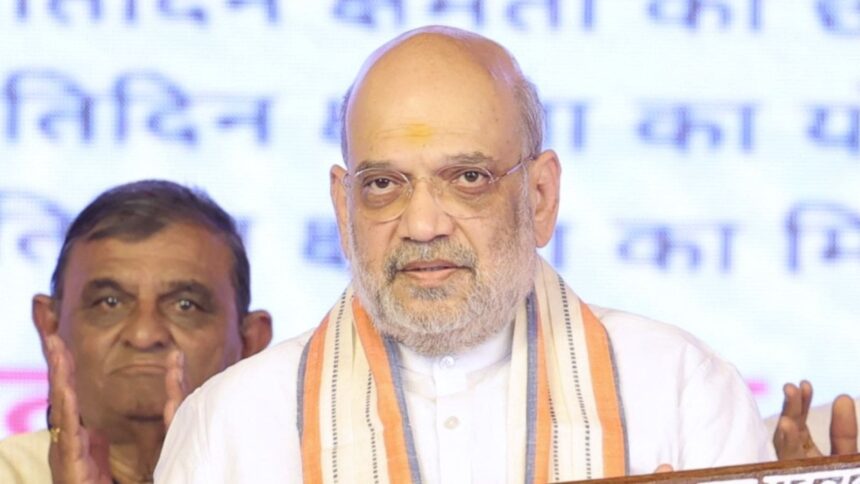
Union Home Minister and Minister of Cooperation Amit Shah is set to inaugurate a series of major dairy infrastructure and cooperative development initiatives in Ladakh on May 1, 2026, in a significant move aimed at strengthening the region’s rural economy and empowering local dairy farmers. The event, scheduled at the Central Institute of Buddhist Studies, underscores the government’s commitment to cooperative-led growth and sustainable rural development in remote and strategically important regions like Ladakh.
The programme will witness the presence of several prominent leaders, including Union Minister of Fisheries, Animal Husbandry and Dairying Rajiv Ranjan Singh, along with senior dignitaries and regional stakeholders. Their collective participation reflects the strategic importance of dairy and cooperative expansion in Ladakh’s socio-economic transformation.
A key highlight of the event will be the laying of the foundation stone for a new 10 Tonnes Per Day dairy processing plant in Kargil. This upcoming facility is expected to significantly enhance milk processing capacity in the region, creating better opportunities for local dairy farmers and improving the supply chain of dairy products. By strengthening local production capabilities, the plant will contribute to income generation and employment opportunities while reducing dependency on external dairy supplies.
In Leh, Amit Shah will also inaugurate advanced dairy processing units dedicated to curd and paneer production. These units are designed to diversify dairy offerings in Ladakh, improve value addition, and ensure better market competitiveness for locally produced dairy products. Such infrastructure is expected to play a crucial role in expanding consumer access to fresh, regionally produced dairy items.
Another major component of the initiative includes the launch of a Bulk Milk Cooler system, which will improve milk preservation, storage, and transportation across Ladakh’s challenging terrain. By establishing a stronger cold-chain network, the system aims to reduce spoilage, maintain milk quality, and ensure efficient distribution from remote villages to processing centers and markets.
In line with the government’s digital transformation agenda, an Android-based Automated Milk Collection System will also be introduced. This modern system will streamline milk procurement operations, improve transparency in farmer payments, and minimize inefficiencies in cooperative management. Through digital record-keeping and prompt transaction processing, dairy farmers will benefit from fair pricing and greater trust in cooperative institutions.
To further strengthen quality assurance mechanisms, a mobile milk testing laboratory will be flagged off during the event. This facility will provide on-ground milk quality testing services, ensuring that dairy products meet required standards while empowering farmers with better quality monitoring tools at the grassroots level.
Several Memorandums of Understanding will also be signed to improve the marketing and distribution channels of Ladakh’s dairy products. These partnerships are expected to open broader commercial avenues for local producers, helping them access larger markets and secure better returns for their produce.
This ambitious initiative aligns closely with the government’s “Sahkar se Samriddhi” vision, which emphasizes cooperative-driven prosperity as a cornerstone for rural economic advancement. By integrating infrastructure development, technology adoption, market expansion, and farmer empowerment, the programme seeks to establish a robust dairy ecosystem in Ladakh.
The recognition of progressive dairy farmers during the event will further motivate local communities and highlight successful examples of cooperative participation. Their contributions symbolize the transformative potential of organized dairy farming in challenging geographic conditions.
Overall, Amit Shah’s inauguration of these projects represents a comprehensive strategy to modernize Ladakh’s dairy sector, strengthen cooperative institutions, and create sustainable livelihood opportunities. As these initiatives take shape, they are expected to significantly contribute to the economic resilience of Ladakh while reinforcing the region’s integration into India’s broader rural development agenda.