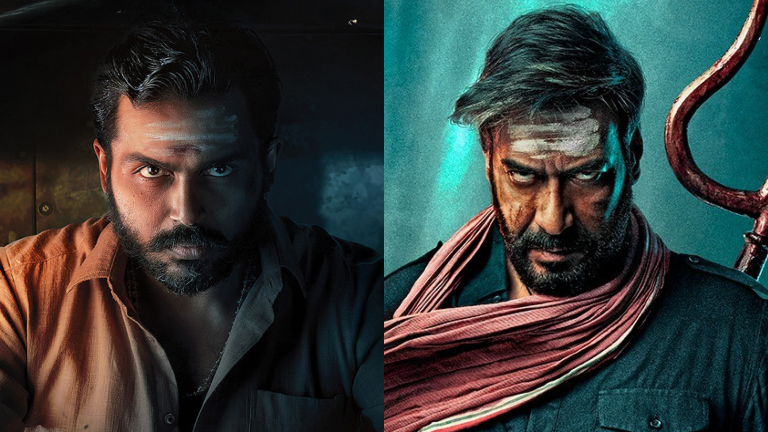
Kaithi producers move Bombay High Court against Ajay Devgn and Reliance, alleging unpaid dues, copyright violation and breach of remake agreement terms.
A fresh legal controversy has emerged in Bollywood as Ajay Devgn finds himself at the centre of a dispute related to his 2023 film Bholaa. The case, currently before the Bombay High Court, has been filed by the producers of the original Tamil film Kaithi, who have alleged non-payment of agreed dues and violation of contractual terms.
The dispute has brought attention to the complexities involved in remake rights agreements within the film industry, especially when multiple production houses and stakeholders are involved.
Dispute Over Remake Rights And Payment Obligations
The legal battle stems from an agreement related to the Hindi remake of Kaithi, which was adapted into Bholaa. The original film, produced by Dream Warrior Pictures, had gained significant success and critical acclaim, making its remake rights highly valuable.
According to the producers, an agreement was signed in February 2023 with Reliance Entertainment for the Hindi adaptation. Under this agreement, the production house was entitled to receive an assignment fee in multiple instalments.
However, the company claims that only a partial payment of ₹1 crore was made in 2022, while the remaining instalments have not been cleared. This alleged delay and non-payment have led to the current legal proceedings.
The producers argue that the failure to fulfil financial commitments constitutes a breach of contract, thereby invalidating certain rights granted under the agreement.
Allegations Of Copyright Violation
In addition to financial disputes, the case also raises concerns about copyright compliance. The producers of Kaithi have alleged that the makers of Bholaa proceeded with the remake without fully honouring the agreed terms.
This has led to accusations of copyright violation, which could have serious implications if proven in court. Copyright laws in the film industry are designed to protect the intellectual property of creators, ensuring that original works are not exploited without proper compensation.
The case highlights the importance of adhering to contractual obligations, particularly in high-value projects involving remakes of successful films.
Demand For ₹4 Crore And Interest
As part of their legal claim, Dream Warrior Pictures has demanded ₹4 crore along with applicable interest. The production house had previously issued a legal notice on October 28, 2024, seeking immediate payment.
The notice reportedly warned that failure to clear the dues within 30 days would result in the cancellation of the agreement and revocation of rights associated with the remake.
This demand reflects not only the financial aspect of the dispute but also the broader issue of accountability in business dealings within the entertainment industry.
The outcome of the case could set a precedent for how similar disputes are handled in the future.
Multi-Party Agreement Adds Complexity
One of the key factors complicating the case is the involvement of multiple parties. The agreement reportedly included Dream Warrior Pictures, Reliance Entertainment, and Ajay Devgn FFilms LLP.
While remake rights were shared among the parties, commercial rights were primarily assigned to Reliance Entertainment. This division of responsibilities has added layers of complexity to the dispute.
Determining liability in such cases often requires careful examination of contractual terms, roles and obligations of each party involved.
Legal experts suggest that multi-party agreements, while beneficial for large-scale projects, can lead to disputes if not managed with clear communication and transparency.
From NCLT To High Court: Legal Journey Of The Case
Before approaching the Bombay High Court, Dream Warrior Pictures had initially taken the matter to the National Company Law Tribunal, seeking insolvency proceedings against Reliance Entertainment.
However, in August 2025, the tribunal dismissed the petition, stating that the dispute was civil in nature and should be addressed in an appropriate civil court.
Following this decision, the production house escalated the matter to the Bombay High Court, where it is currently being heard by a bench led by Justice Sharmila Deshmukh.
The transition from NCLT to the High Court underscores the legal complexities involved and the need for proper jurisdiction in resolving such disputes.
Impact On Bollywood And Remake Industry
The case has broader implications for the Bollywood industry, particularly in the context of remakes. In recent years, remakes of regional films have become increasingly common, driven by their proven success and audience appeal.
However, this trend also brings challenges related to rights management, revenue sharing and contractual compliance.
The dispute involving Bholaa serves as a reminder of the importance of clear agreements and timely payments in maintaining trust among stakeholders.
Industry insiders believe that such cases could lead to stricter enforcement of contracts and greater scrutiny of remake deals in the future.
Ajay Devgn’s Position And Industry Reputation
Ajay Devgn, a prominent figure in Bollywood, has been associated with numerous successful films and production ventures. His involvement in the case has drawn significant attention, given his reputation and influence in the industry.
While the legal proceedings are ongoing, it is important to note that allegations have yet to be proven in court. The outcome of the case will determine the extent of liability, if any, on the part of the actor and his production company.
For Devgn, the case represents not only a legal challenge but also a reputational concern, as high-profile disputes often attract public and media scrutiny.
Legal And Financial Stakes Involved
The financial stakes in the case are substantial, with claims running into crores of rupees. Beyond the immediate monetary aspect, the dispute also involves issues of intellectual property and contractual integrity.
Legal experts suggest that the case could take time to resolve, given the complexities involved and the need for detailed examination of evidence.
The court’s decision will likely have implications for future agreements in the film industry, particularly in terms of enforcing payment obligations and protecting rights.
The legal battle surrounding Bholaa and its remake rights has brought to light critical issues within the film industry, including payment disputes, copyright compliance and contractual obligations.
As the case unfolds in the Bombay High Court, it will be closely watched by industry stakeholders and legal experts alike.
The outcome has the potential to influence how remake agreements are structured and enforced in the future, making it a significant development in the evolving landscape of Indian cinema.