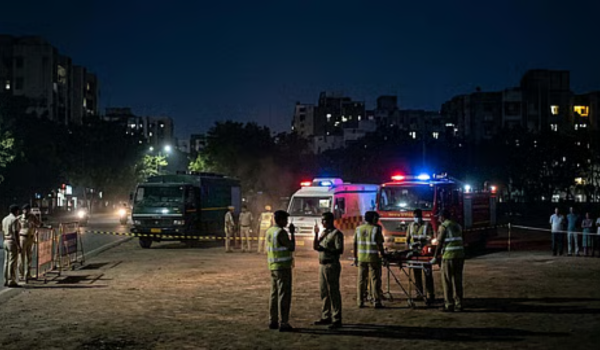
Authorities across Jammu and Kashmir and Punjab are set to conduct extensive air raid and blackout mock drills on April 23 and 24, marking a significant step toward strengthening emergency preparedness and coordination among civil defence agencies. The exercises are designed to simulate real-life crisis scenarios, ensuring that both administrative machinery and the general public are equipped to respond effectively in situations involving aerial threats or large-scale disruptions.
The initiative reflects a growing emphasis on disaster management readiness and coordinated response mechanisms in sensitive and strategically important regions.
Comprehensive Drill Plan Across Multiple Districts
The mock drills will be carried out in selected districts of Jammu and Kashmir, including Anantnag and Kishtwar on April 23, followed by Kupwara on April 24. These locations have been identified based on administrative planning and the need to test preparedness in diverse geographical and operational conditions.
The decision to organise the drill in Kishtwar was taken during a high-level meeting chaired by Deputy Commissioner Pankaj Kumar Sharma, reflecting the involvement of district-level leadership in ensuring effective implementation.
In Punjab, the exercise will be conducted simultaneously across all districts on April 24, ensuring a coordinated statewide response.
Structured Timeline And Execution In Punjab
The drill in Punjab will commence at 8:00 PM on April 24, following directives issued by the Ministry of Home Affairs. The timing has been strategically chosen to simulate realistic conditions where visibility is reduced and response challenges are heightened.
The sequence of events will begin with an air raid warning siren lasting two minutes, featuring alternating high and low pitch tones. This signal is intended to alert both authorities and civilians to the onset of a simulated emergency.
Following the siren, a controlled blackout will be implemented in designated areas. Residents in these zones will be required to switch off all non-essential lights, creating conditions similar to those experienced during actual blackout situations.
The exercise will conclude with an “All Clear” signal, marked by a continuous high-pitch siren for two minutes, indicating the end of the simulated emergency.
Objectives Behind The Mock Drills
The primary objective of these drills is to assess the preparedness of various response systems in handling emergency situations such as air raids or large-scale disruptions. Authorities aim to evaluate the efficiency of communication channels, coordination between departments, and the responsiveness of both officials and civilians.
By simulating crisis scenarios, the drills provide an opportunity to identify gaps in existing systems and implement improvements. They also help in standardising response protocols and ensuring that all stakeholders are aligned in their actions.
Simulation Of Emergency Response Activities
During the drills, multiple emergency response functions will be simulated to test operational readiness. These include fire response operations, search and rescue missions, first-aid and medical assistance, evacuation of injured individuals, and traffic management.
Such simulations are crucial in understanding how different agencies interact under pressure and how quickly they can mobilise resources. The ability to coordinate effectively during emergencies can significantly reduce the impact of real-life incidents.
Role Of Public Participation
Public participation is a critical component of the mock drills. Residents in identified areas will be required to follow instructions, particularly during the blackout phase. By involving citizens in the exercise, authorities can assess public awareness levels and identify areas where further education may be needed.
Officials have clarified that essential services, including hospitals, emergency response units, and critical infrastructure, will continue to function normally during the drills.
Strengthening Inter-Agency Coordination
The success of any emergency response depends on seamless coordination between multiple agencies. The drills will involve collaboration between civil defence units, local administration, police, fire services, and medical teams.
By conducting joint exercises, authorities aim to enhance communication and coordination, ensuring that all departments can work together efficiently during actual emergencies.
Importance Of Preparedness In Sensitive Regions
Regions like Jammu and Kashmir and Punjab hold strategic importance, making preparedness measures particularly critical. Regular mock drills help maintain a high level of readiness and ensure that response mechanisms remain effective.
These exercises also contribute to building public confidence, as citizens become more aware of the measures in place to protect them during emergencies.
Integration With National Preparedness Efforts
The mock drills align with broader national efforts to enhance disaster management and emergency response capabilities. Similar initiatives, including operational exercises conducted by the Indian Air Force, highlight the importance of preparedness across different sectors.
By integrating local drills with national strategies, authorities can create a more robust and cohesive response framework.
Challenges And Learnings From Mock Drills
While mock drills are essential, they also present challenges in terms of coordination, public compliance, and logistical execution. However, these challenges provide valuable learning opportunities.
Authorities can use the insights gained from these exercises to refine their strategies, improve communication systems, and enhance training programs for personnel.
Long-Term Impact On Emergency Preparedness
Regular mock drills contribute to long-term improvements in emergency preparedness. They help build institutional memory, ensuring that lessons learned from previous exercises are incorporated into future planning.
Over time, this leads to more efficient response systems, better coordination, and increased resilience in the face of potential threats.
The air raid and blackout mock drills scheduled across Jammu and Kashmir and Punjab on April 23 and 24 represent a proactive and strategic approach to strengthening emergency preparedness.
By simulating real-world scenarios, involving multiple agencies, and encouraging public participation, these exercises aim to ensure that both authorities and citizens are well-equipped to respond effectively to crisis situations.
As the drills unfold, the focus will remain on evaluating systems, identifying gaps, and enhancing the overall readiness of the regions, ultimately contributing to a safer and more resilient society.